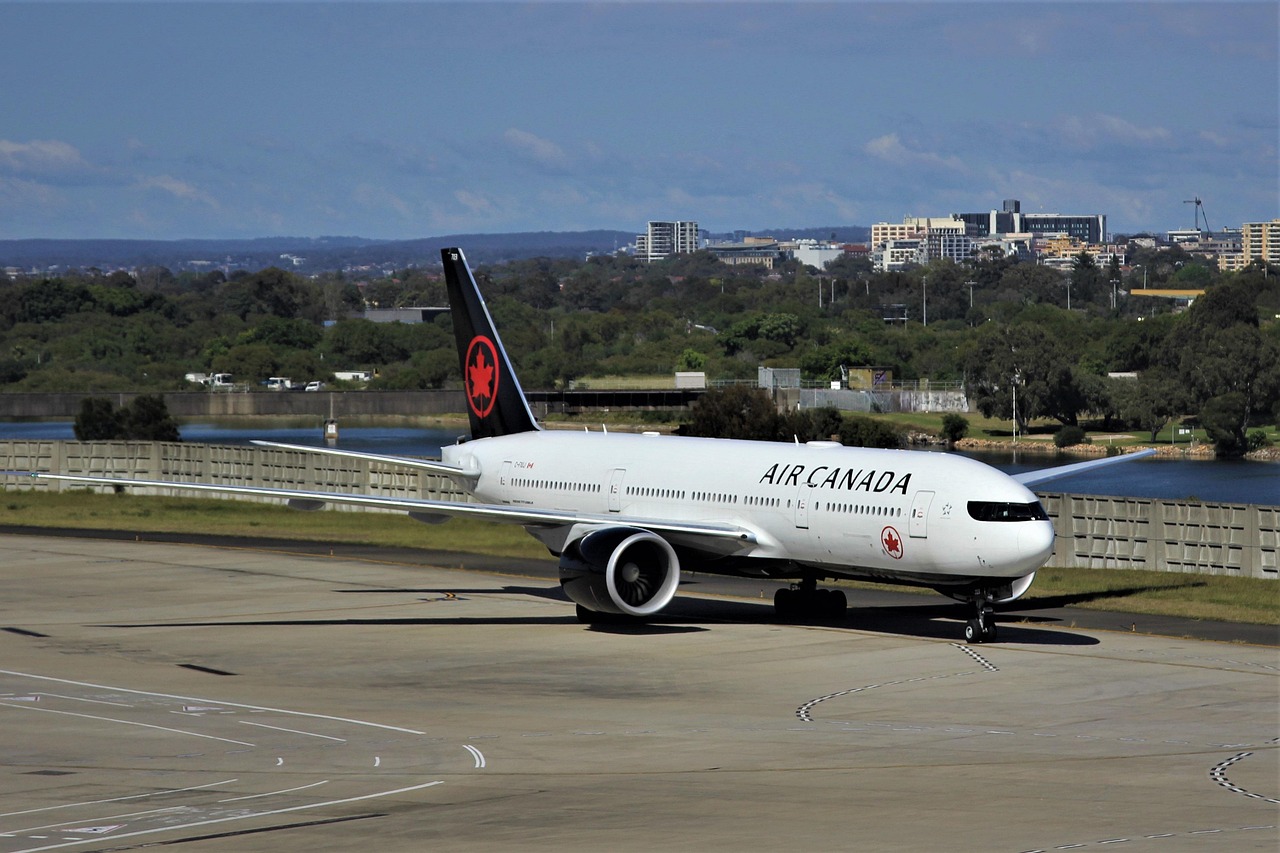
Canada’s eTA and the U.S. ESTA answer questions about travel to different destinations. Canada requires either a visitor visa or an eTA for travel to Canada, depending on the traveller and journey. U.S. Customs and Border Protection uses ESTA to determine eligibility to travel to the United States under the Visa Waiver Program. Check each part of an itinerary against the country being entered. If your trip needs an eTA, you can apply for a Canada eTA through a paid private service, separate from the Government of Canada.
Filing the form on canada.ca costs only the government fee, nothing extra.
When Canada Requires an eTA
The Government of Canada eligibility guidance says that a citizen of an eTA-required country needs an eTA and a valid passport to board a flight to Canada. In most cases, a traveller from an eTA-required country does not need an eTA when arriving by car, bus, train or boat, including a cruise ship, although a valid passport is still required.
Residence in the United States does not by itself answer the question. Two important exemptions are explicit in Canada’s current rules:
- U.S. citizens are exempt from the eTA requirement and must carry proper identification, such as a valid U.S. passport.
- Lawful permanent residents of the United States are exempt from the eTA requirement for every method of travel to Canada. They must show a valid green card or equivalent valid proof of U.S. permanent-resident status.
If the Canadian rule applies to you, you need an eTA before you board your flight to Canada.
When the United States Requires ESTA
The official CBP ESTA guidance describes ESTA as an automated system that determines whether a visitor is eligible to travel to the United States under the Visa Waiver Program. Using that program requires an e-Passport with an embedded electronic chip.
Do not treat ESTA as an air-and-sea-only rule. CBP’s current land-border guidance says that Visa Waiver Program travellers must obtain an approved ESTA before arriving at a U.S. land border.
The Land-Border ESTA Detail Many Travellers Miss
Most travellers assume ESTA only matters for flights, since the Visa Waiver Program is closely associated with air travel. That assumption doesn’t hold at land borders. As noted above, CBP’s land-border guidance requires Visa Waiver Program travellers to obtain an approved ESTA before arriving at a U.S. land border — not just before boarding a flight or ship. Anyone planning a road trip that crosses into the United States under the Visa Waiver Program needs to treat that crossing exactly like a flight: confirm ESTA approval first, not on arrival at the crossing.
The equivalent question for the Canadian side is which travel mode requires the eTA. As covered above, an eTA is generally an air-travel requirement for eTA-required nationalities — arrival by car, bus, train, or boat generally follows a different rule, though a valid passport remains required either way.
Who Each System Exempts
Canada’s exemptions are explicit: U.S. citizens and U.S. lawful permanent residents (with a valid green card or equivalent proof) don’t need an eTA, as described above. ESTA works differently — it’s specifically an authorization for travellers using the Visa Waiver Program, so it’s a question of which passport and which program apply to the traveller, not a status a Canadian eTA holder needs to separately track.
Because the two systems test different things — nationality and travel mode for Canada, Visa Waiver Program eligibility for the U.S. — a traveller’s status under one system says nothing about their status under the other. Each has to be checked on its own terms for the relevant leg of the trip.
How the Two Authorizations Compare on Validity
The two systems also run on different clocks. A Canada eTA remains valid for up to five years or until the linked passport expires, whichever comes first, and supports repeated short visits during that window. An ESTA is valid for two years from approval (or until passport expiry), and each Visa Waiver Program stay in the United States is limited to 90 days or less. A traveller managing both authorizations for regular cross-border trips should track the two expiry dates separately — renewing one has no effect on the other, and the shorter ESTA cycle tends to come up for renewal more often.
If You’re Based in the United States
For readers planning a Canada trip from the U.S., the exemptions above do the heavy lifting: U.S. citizens fly to Canada with a valid U.S. passport and no eTA, and U.S. lawful permanent residents are exempt with a valid passport from their country of nationality plus accepted proof of status. The travellers who do need to act are typically visiting family members or friends who hold neither U.S. citizenship nor U.S. permanent residence — their requirement is set by their own passport’s nationality, exactly as described above. Dual nationals who also hold Canadian citizenship are a separate case again: they generally need a valid Canadian passport for the flight rather than an eTA, since Canadian citizens can’t hold one.
Authorization Is Not Admission
An eTA does not guarantee entry to Canada. On arrival, a Canadian border services officer asks to see the traveller’s passport and other documents, and the traveller must satisfy the officer that they are eligible to enter. That process doesn’t involve fingerprints or a biometric scan tied to the eTA itself — what the eTA does and doesn’t require in terms of fingerprints and biometrics explains what actually happens at each stage.
ESTA authorization likewise does not determine whether a traveller is admissible to the United States. A U.S. Customs and Border Protection officer makes that determination when the traveller arrives.
The practical sequence is therefore short: identify the destination, check the official eligibility rule for that country, use its official application route if required, and carry the document connected to that journey.
Applying the Sequence to a Multi-Country Trip
The sequence above matters most on trips that touch both countries — flying into one and continuing overland into the other, for example, or a day trip from New York to the Canadian side of Niagara Falls. Each leg gets checked against the rules of the country being entered on that leg, independently of what was required for the leg before it. A traveller who sorted out ESTA for the U.S. portion of a trip still has to separately confirm Canada’s eTA (or visa) requirement before the Canadian portion, and vice versa. Neither authorization carries over to the other country, and neither system checks whether the other one has been completed.