Your trusted, up-to-date guide to the Canada eTA (Electronic Travel Authorization), entry requirements, and everything else you need to plan a smooth trip to Canada.
Deciding How to Get Around: Renting a Car vs. Park Shuttles in Canadian National Parks
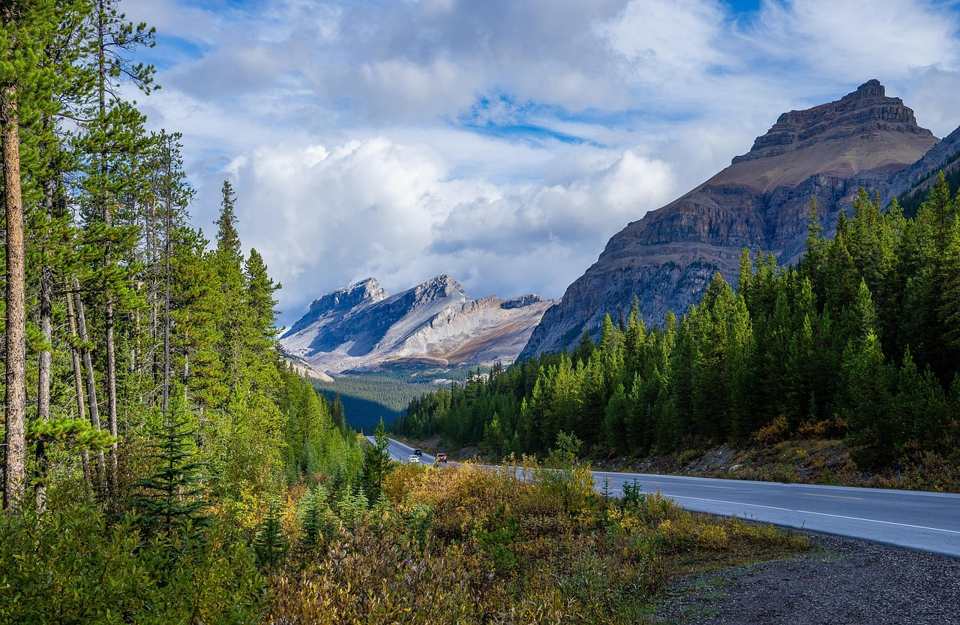
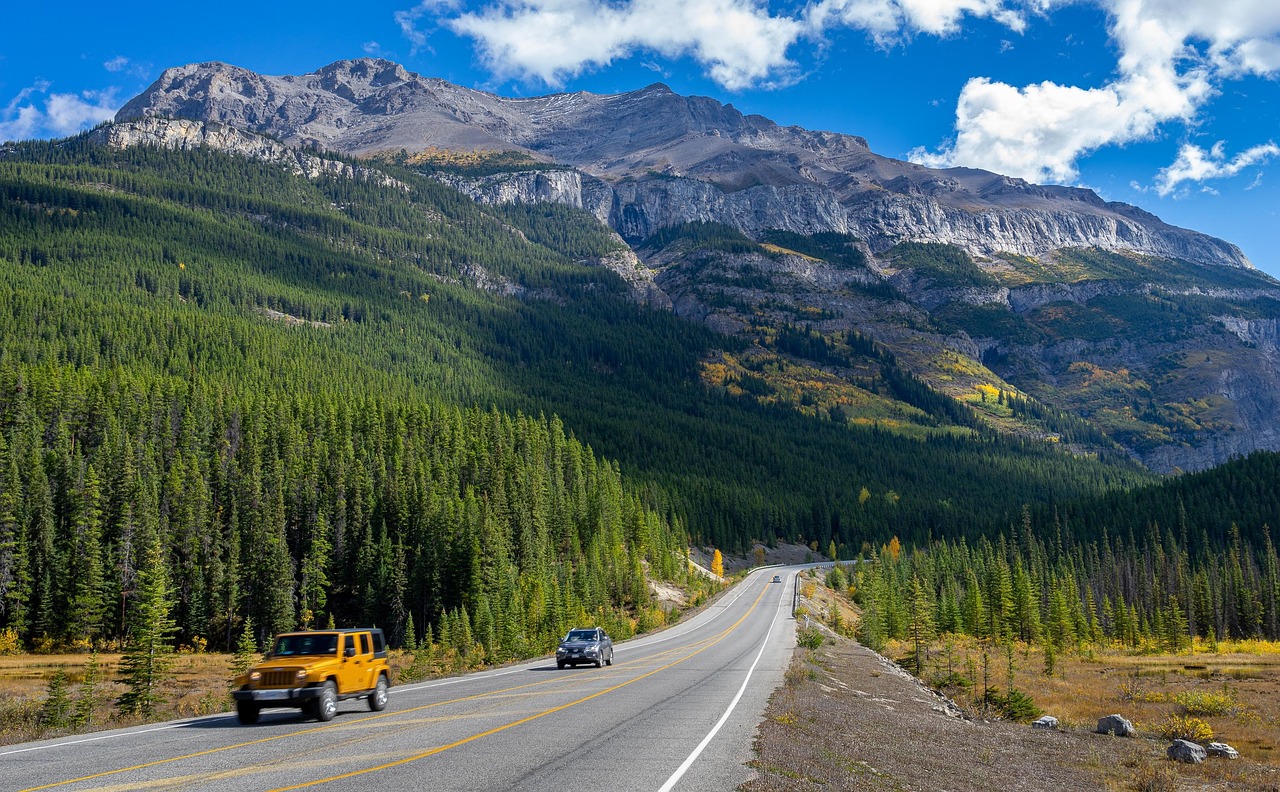
You’re standing at the rental car counter at Calgary airport, loyalty card in hand, wondering whether you actually need this vehicle for the next ten days in Banff and Jasper - or whether the shuttle system will handle it. It’s a real question, and the answer depends on which park you’re visiting and how you want to spend your time there. The short answer: in Canada’s busiest mountain parks, a shuttle system exists and works well for popular corridors, but a rental car gives you the freedom to reach trailheads, secondary lakes, and neighbouring parks on your own schedule. In many of Canada’s 37 national parks and 11 national park reserves, no shuttle exists at all - and a car is simply the only practical option. Which situation you’re in depends on where you’re going and what you want to do when you get there. ...
What to Pack for a Spring Trip to Banff National Park: A Checklist for Changing Mountain Weather
You’re standing at the trailhead above Lake Louise at noon, shirt soaked from the climb, and by the time you reach the ridge an hour later the temperature has dropped ten degrees and sleet is stinging your face. That is not an unusual spring day in Banff — it is a typical one. The single most important thing you can pack is a layering system that lets you add and shed insulation within seconds, because the gap between a warm valley floor and a snow-dusted ridgeline is measured in minutes, not hours. ...
What to Do If You Get Lost on a Hiking Trail in a Canadian National Park: A Step-by-Step Guide
You’re moving along a trail that felt obvious an hour ago, and now the path has dissolved into a confusion of rocks and brush. The last cairn was further back than you remember. Even experienced hikers hit this moment — disorientation can arrive gradually, and by the time you notice it, you’ve already walked past the point where the trail made sense. The very first thing to do is stop moving. Not slow down. Stop. Every step you take when you’re uncertain of your position makes the search area larger and your situation harder to resolve. The moment you feel genuinely lost, your job changes from hiking to staying found. ...
Choosing Between Canada's National Parks and National Historic Sites: What's the Difference for Your Trip?
You’re standing in front of a Parks Canada map, and two labels keep appearing: “National Park” and “National Historic Site.” They both sound significant, they’re both managed by the same agency, and some of them even share a name. But they are built around completely different ideas of what a destination should give you - and choosing the wrong one for your trip means arriving somewhere that doesn’t match what you were hoping to find. ...
Spring in Banff and Lake Louise: When to Go and What You'll Actually Find
In a Nutshell Spring in Banff runs from late March through late May, but those two months contain four completely different parks. What’s open, what’s reachable, and what’s buried under snow shifts week by week—and the gap between early April and late May is wider than most travellers expect. The single biggest friction point isn’t weather or trail conditions: it’s the shuttle system to Moraine Lake and Lake Louise, which sells out well in advance and determines whether you see the places you came for. ...
Canada eTA Payment and Avoiding Scams
You’ve just seen a charge you don’t recognize on your card statement for an eTA. Before you panic or dispute it, do this: look at the web address in your browser history or confirmation email. Does it say canada.ca or gc.ca? If it does, you paid the Government of Canada. Your application exists in their system, and the charge is legitimate. If it says anything else — any other domain, however official-looking — you paid a private company. That distinction is the whole question, and everything that follows depends on which answer you have. ...
Lost Your Canadian eTA? How to Retrieve or Reapply
You’re scrolling through your inbox, searching “Canada eTA” for the third time, and nothing useful is coming up. Maybe the confirmation email went to spam, maybe you applied months ago and the thread is buried, or maybe you genuinely can’t remember whether you finished the application at all. Before you start over, stop: an eTA is not a document you carry. It’s an electronic record tied to your passport number, and if it was approved, it still exists in the system whether you have the email or not. ...
Canadian eTA for Dual Citizens: Which Passport to Use
If you hold Canadian citizenship, you enter Canada on your Canadian passport. You do not need an eTA. This rule applies regardless of what other passport you carry. The question most dual citizens actually wrestle with is not which passport to use in Canada — it is which passport to use when leaving the country where you also hold citizenship. Those two questions sound like one question. They are not, and conflating them is what causes the confusion at check-in. ...
Canada eTA With a U.S. Visa: What Your Passport Country Actually Determines
Many travellers with a valid U.S. visa assume it simplifies entry to Canada. It doesn’t. Your passport’s country of issue is what determines whether you need an eTA, a visitor visa, or neither—the U.S. visa is only relevant for certain nationalities. Hold a British, Australian, or French passport and your U.S. visa is irrelevant to Canada’s requirements: you need an eTA regardless, and you would have needed one even without the visa. Hold a passport from a visa-required country and your valid U.S. visa may actually open a different door—eTA eligibility instead of the longer visitor visa route. The two situations look similar from the outside but follow completely separate tracks. ...
Do I Need an eTA to Transit Canada with a US Visa?
Your US visa will not get you through a Canadian airport. Your passport nationality will. If you’re transiting Canada and your country normally requires a visa, you’ll need an eTA—even for a short connection—unless your passport qualifies for an exemption. And the exemption hinges on your passport, not the visa in it. That’s the rule. Everything below is about working out which side of it you’re on, and what to do before you board. ...