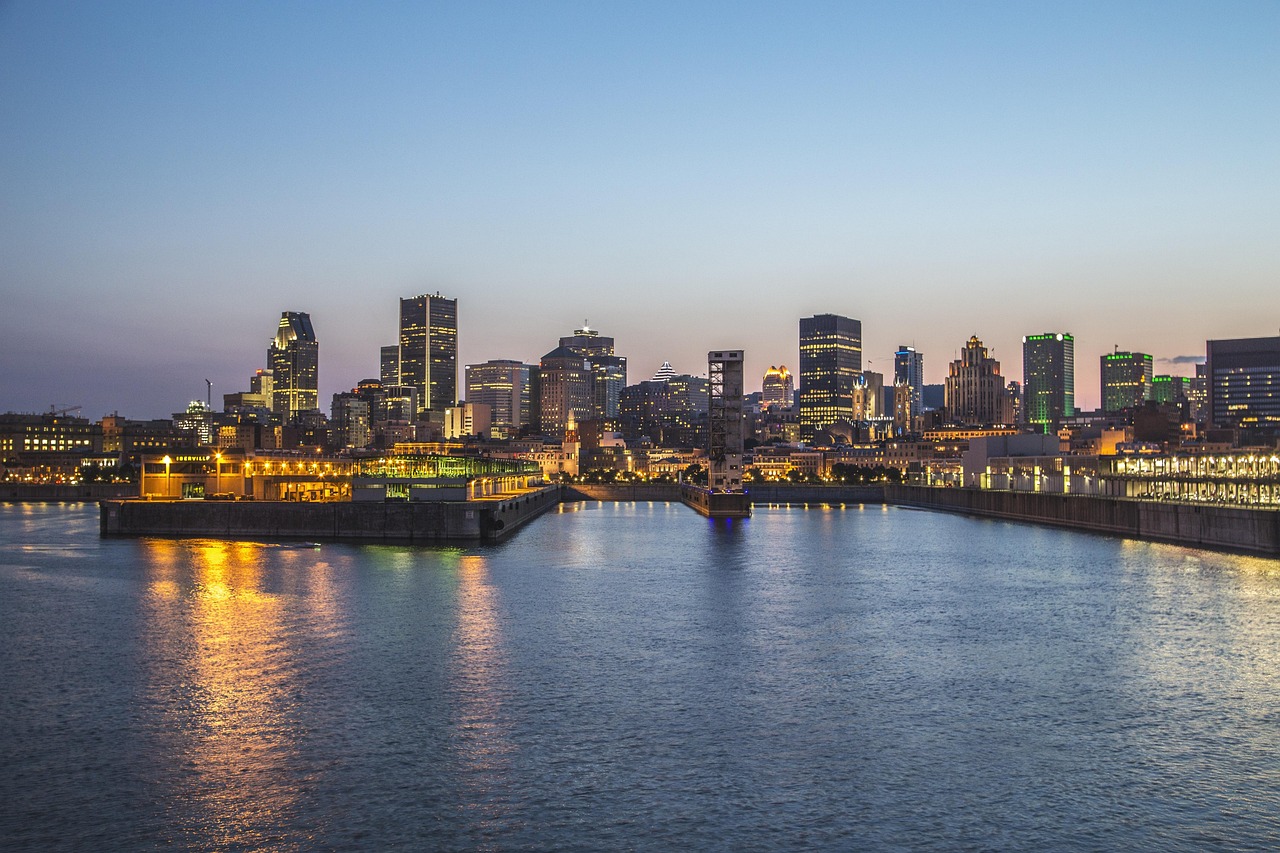
The short answer: after an international flight into Montréal-Trudeau (YUL), follow the signs to Canadian border control, scan your passport at a kiosk (YUL has kiosks, not eGates), take the receipt to a border services officer, collect your bags and pass one last CBSA checkpoint on the way out. If you are flying on, your onward ticket and whether the airline transfers your bags decide the route. There is no eTA document to show at YUL: it is linked to your passport, and the airline already checked it before you boarded. No eTA yet? You can apply for a Canada eTA through a paid private service, separate from the Government of Canada.
Applying directly on canada.ca costs only the government fee. Whichever route you used, an approved eTA gets you onto the plane, but the officer you meet in Montreal still makes the call on entry.
The routine of kiosk, officer and passport stamp is much the same at the large Canadian airports, and our walk-through of arriving at Toronto Pearson walks through it in order. If you are flying from France, the eTA guide for French citizens lists what to check before you leave. This page is about what is specific to Montreal.
Where do you go after landing at Montréal-Trudeau?
Signs from the gate lead to Canadian border control, run by the Canada Border Services Agency (CBSA). According to YUL, the order inside the airport is fixed: the border check comes first, then the baggage hall, then a last stop with a CBSA officer before you reach the arrivals area. That officer can send you for a secondary inspection, which means a closer look at your documents or bags.
The airport also splits its space into an international zone and a mixed zone. Once you are in the international zone you cannot walk back into the mixed one, which matters if you are changing planes and think about popping out for something. If your bag does not appear, the baggage claim office is on the international arrivals level, at the end of the corridor opposite gate 28.
How long is the customs line at YUL right now?
Montreal does something many airports skip: it publishes a live wait. The airport’s wait-time page has a line for arrivals border control in Canada, and the figure is the average time travellers spend in the primary inspection area. There is no standard duration. The airport itself says it cannot predict whether you will make a tight connection, and that queues depend on how many officers are on duty and how many flights land together.
Filing an Advance Declaration in ArriveCAN, which you can do from three days before your flight, may shorten the wait. YUL is on the list of airports that take part, and filing gives you access to separate express lanes. It is optional, and the kiosk lets you confirm or correct what you sent.
What happens at the kiosk and with the officer in Montreal?
The CBSA lists kiosks at YUL and, for now, self-service eGates only at Toronto Pearson Terminal 1, so if you are entering Canada here, expect to start at a kiosk. One kiosk can serve up to five people who share an address. It scans your passport, takes a photo, asks the declaration questions and prints a receipt. According to the CBSA, the kiosk asks only certain foreign nationals and permanent residents to verify their fingerprints, so many visitors skip that step.
Take the receipt to the officer, who decides whether you may enter and for how long. If no stamp is added, the default stay is six months counted from your entry date, or less if the passport runs out sooner. A stamp with your date of entry is available if you request it from the officer once the kiosk is done.
Flying on from Montreal: what does each connection involve?
Your next flight decides everything, so this table is the part to keep.
| Your next flight | Canadian border check at YUL? | Your checked bags | Security screening again? |
|---|---|---|---|
| Montreal is your final stop | Yes: kiosk first, then an officer | Pick up from the belt | Not applicable |
| Another Canadian city | Yes, a mandatory inspection | Transferred if the airline offers automatic transfers; otherwise collect, exit and check in again | Yes, unless you arrived from the European Union (per the airport) |
| International (not the US), same day, bags transferred | No, under Free Flow | Transferred for you | Yes, unless you arrived from the European Union (per the airport) |
| International, next day or bags not transferred | Yes | Pick up from the belt, then take the usual route to departures | Yes |
| A US city | No Canadian check if bags are transferred and you hold the onward boarding pass | Transferred; US officers may pull a bag | Yes, then US preclearance at YUL |
Three notes on the table. Free Flow is the CBSA’s arrangement for connections, and it applies only when you leave within 24 hours of arriving and stay inside the international departures area. If a cancellation pushes your wait past 24 hours, you go to the CBSA instead. Second, signs at YUL may still route some international-to-international passengers past a border desk; follow the connection signs on the day. Third, there is no honest figure for a minimum connection time. Watch the live wait page and ask your airline.
A stop in Canada needs an eTA even when you stay airside the whole time. For the full picture, read the document rules for a stop in Canada, and for the short rule see when a layover in Canada still needs an eTA.
Connecting to the US: where is American customs in Montreal?
YUL has American border formalities on site. Follow the signs for Connections to USA. If your bags are checked through and you hold the boarding pass for the onward flight, you use a transit lane and skip the Canadian inspection. No pass yet? Get it at the airline desk in the transfer centre or at a kiosk nearby. After that come security screening and the American inspection, still inside YUL, and on arrival in the US there is nothing further to do at the border, according to the airport.
You need the eTA for this leg too, since the route runs through Canadian soil. What the United States expects from your passport is a separate question, so check that with the US authorities before you book. Opening hours for the American facility are not listed here; confirm them on the day.
Is anything different about bringing goods into Quebec?
One thing is. The minimum age for bringing alcohol into Quebec is 18, a year below the 19 that applies in most provinces. Food, plants and animals must be declared, as everywhere. According to the airport, travellers with a pet should expect to show a health certificate and pay a fee, and any duty on declared purchases is paid before you leave the hall.
How do you get from YUL to downtown Montreal?
According to the airport, the STM 747 bus runs around the clock. A short route reaches the Lionel-Groulx metro station in roughly 30 to 35 minutes. A longer route runs to the intercity bus terminal at Berri-UQAM with 11 stops and takes about 45 to 70 minutes. A standard 747 fare also works as a 24-hour pass on buses and the métro in Zone A, though STM notes that tickets bought at the airport parking pay stations are one-way only. Fares change, so check the current price before you go.
If a friend is collecting you, the airport has a free waiting lot called CellParc, and pick-up happens in one of four zones labelled A, B, C and D.
What should you have ready before the flight to Montreal?
- Your passport, the one the eTA is linked to.
- Whether your bags are tagged all the way to your final airport.
- Your ArriveCAN Advance Declaration, if you sent one.
- Your onward boarding pass, if the next flight is to the US.
- The live wait-time page, opened shortly before landing.
The week before you fly, it is worth a minute to check your eTA status; keep the UCI or application number handy next to the passport.
The short version
- At YUL, follow the signs to Canadian border control, then use a kiosk and see an officer.
- There are no eGates in Montreal at present; the CBSA lists them only at Pearson Terminal 1.
- The airport shows a live customs wait, and Advance Declaration opens express lanes.
- Your onward flight decides whether you clear Canadian customs, switch to a US inspection or skip both under Free Flow.
- Alcohol can be brought into Quebec from age 18.
- The 747 bus runs all day and night between YUL and downtown.
FAQ
Is there a customs check for every international arrival at YUL? Only if Montreal is where you enter Canada or you continue on a domestic flight. Same-day international connections with checked-through bags go under Free Flow, and US-bound passengers are processed by American officers at YUL. The eTA requirement does not change with the route.
How long does it take to clear customs at Montreal airport? There is no fixed time. The airport publishes the current border wait on its wait-time page, and an Advance Declaration opens the express lanes. Check the page before you land rather than trusting a number from someone else’s trip.
Can I use ArriveCAN at Montreal airport? Yes. YUL is on the list of airports that accept Advance Declaration, which you can prepare up to three days before your flight. You confirm or change it at the kiosk, and it is optional.
Do I have to go through customs for a connecting flight in Montreal? It depends on the next flight. A domestic one means a Canadian inspection. A same-day international flight with transferred bags falls under Free Flow, and a US flight brings American inspection in place of the Canadian one.
Do I have to pick up my luggage on a connecting international flight in Montreal? Not if the airline transfers bags and you leave the same day. Otherwise you pick them up from the belt, follow the normal arrivals route and check them in again.