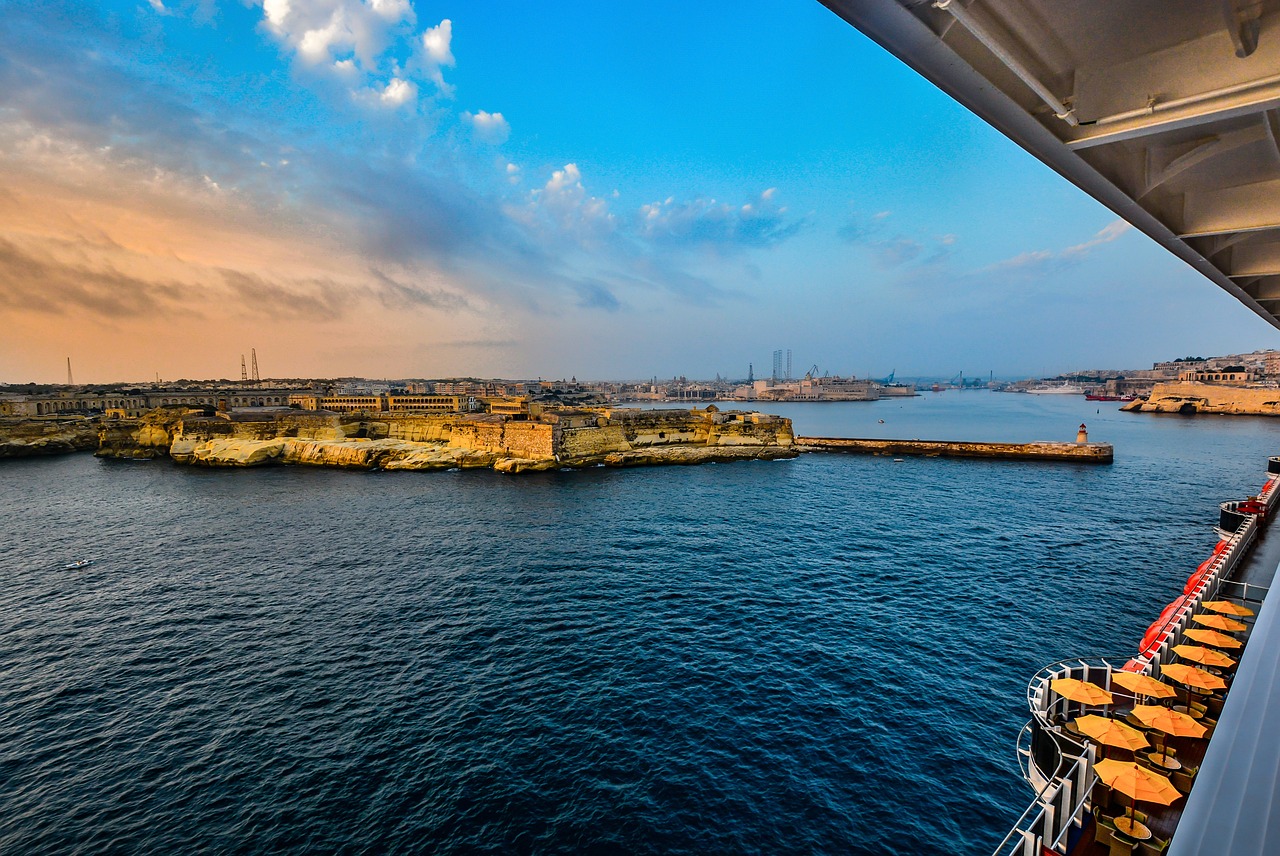
The short answer: the eTA is a flight document. If you arrive in Canada on a cruise ship, you generally do not need one. If you fly to Canada to start or finish a cruise, you do. So the question is never “am I going on a cruise?” but “how do I cross the border?”. A traveller who sails into Vancouver from Alaska and one who flies into Vancouver to board the same ship are under different rules.
Below are the situations that cause the confusion: a cruise that starts abroad, a cruise that starts in Canada, a ferry, and a flight home from a port city. If you have not yet checked whether your passport needs an eTA at all, how to apply for a Canada eTA starts from that question.
Why cruise passengers do not need an eTA in most cases
Canada requires an eTA from visa-exempt foreign nationals who board a flight to Canada. For people arriving by car, bus, train or cruise ship, Canada says that in most cases no eTA is needed. The eTA is checked by the airline before you board, and a cruise line has no equivalent step. You still need a valid passport and, as with any arrival, a border services officer decides whether you may enter.
That does not mean your paperwork is finished. Your cruise line will tell you which documents it needs to see at embarkation, and those can be stricter than the border rule. Follow whichever list is longer.
When a cruise trip does need an eTA
You need an eTA if any part of the journey involves flying into Canada. The common patterns are:
| Your trip | eTA needed? |
|---|---|
| Fly to Vancouver, board a cruise there | Yes, for the flight |
| Cruise from the US, arrive in a Canadian port | Generally no |
| Cruise ends in Canada, then you fly home from a Canadian airport | No; the eTA is for flights into Canada, not out of it |
| Fly into Canada, then take a ferry inside Canada | Yes, for the flight in |
The eTA is checked when you board a flight that is headed for Canada. If your route includes such a flight, apply before you leave home.
Ferries and other sea crossings
Ferries follow the same idea as cruise ships: in most cases visa-exempt travellers arriving by sea do not need an eTA. There is one named exception on the Government of Canada page: sea travel from Saint-Pierre-et-Miquelon, other than on a cruise, does require an eTA. If your route touches that territory, apply before you go.
For most other ferries, the rule that matters is still your passport. Keep it valid for the whole trip and carry it in your hand luggage, not in a suitcase in the hold.
What if you are on a visa-required passport?
An eTA route exists for some citizens of visa-required countries, but only for air travel. If you need a visitor visa and you arrive by land or sea, the eTA does not replace it. How the eTA differs from a visitor visa sets out the difference.
How to apply if your trip includes a flight
The government fee is 7 CAD, paid once, and most applications are decided within minutes, so an eTA is not something to leave until the day of departure. Some applications need more documents and can take several days. If you apply as part of a cruise package, do not assume the cruise line has done it for you. The eTA is applied for by the traveller.
If you want help with the form, get-eta.com is a paid private service, clearly separate from canada.ca, where you can start your eTA application.
A worked example: three passengers, three answers
Consider three travellers on the same Alaska-to-Vancouver sailing. The first lives in Seattle, boards in Seattle and leaves the ship in Vancouver. She arrives by sea, so the flight rule never applies to her. The second flew from London to Seattle to join the ship. His flight went to the United States, not Canada, so there is still no eTA for the Canadian leg. The third flew from Frankfurt straight to Vancouver to board the ship there. His flight was headed for Canada, so he needed an eTA before boarding in Frankfurt.
The lesson is that the port of embarkation matters less than the last aircraft you board before the ship. If that aircraft lands in Canada, the airline will look for your eTA. If it lands elsewhere, the airline has nothing to check.
What if plans change mid-trip?
Cruise itineraries change: a port is skipped, a storm reroutes the ship, or you leave the cruise early and fly home. Leaving early is the case that surprises people. If you disembark in Canada and fly out, you do not need an eTA for the flight out. The eTA question only comes back if you leave Canada and later fly into it again.
Keep your booking confirmation and passport together so that you can explain the route to an officer if asked. A border services officer decides whether you may enter, whatever documents you hold.
Documents to carry on a cruise into Canada
- A passport valid for the entire trip. Some cruise lines ask for more validity than Canada does.
- Your boarding documents from the cruise line.
- Any visa you need if your passport is visa-required.
- Your eTA application number, from the approval email, if you flew in.
Frequently asked questions
I am a UK citizen and my cruise calls at a Canadian port. Do I need an eTA? Generally no, if you arrive by ship. If you fly in to join the cruise, yes.
Does my travel agent handle the eTA? Not automatically. Check your booking; the traveller is responsible for it.
Do children need an eTA on a cruise? The same rule applies to them as to adults: needed only for flights into Canada.
What if I already hold a valid eTA? It stays valid for up to five years or until the passport expires, and you can use it for any later flight to Canada. See what happens with multiple entries.
The short version
- The eTA is for flying into Canada.
- Arriving by cruise ship or most ferries generally needs no eTA.
- Flying in to join or leave a cruise does need one.
- Sea travel from Saint-Pierre-et-Miquelon, other than on a cruise, needs an eTA.
- The fee is 7 CAD, paid once.
- A valid passport is required either way.
For the live rules, see the Government of Canada page on who needs an eTA.