What Is a Canada eTA?
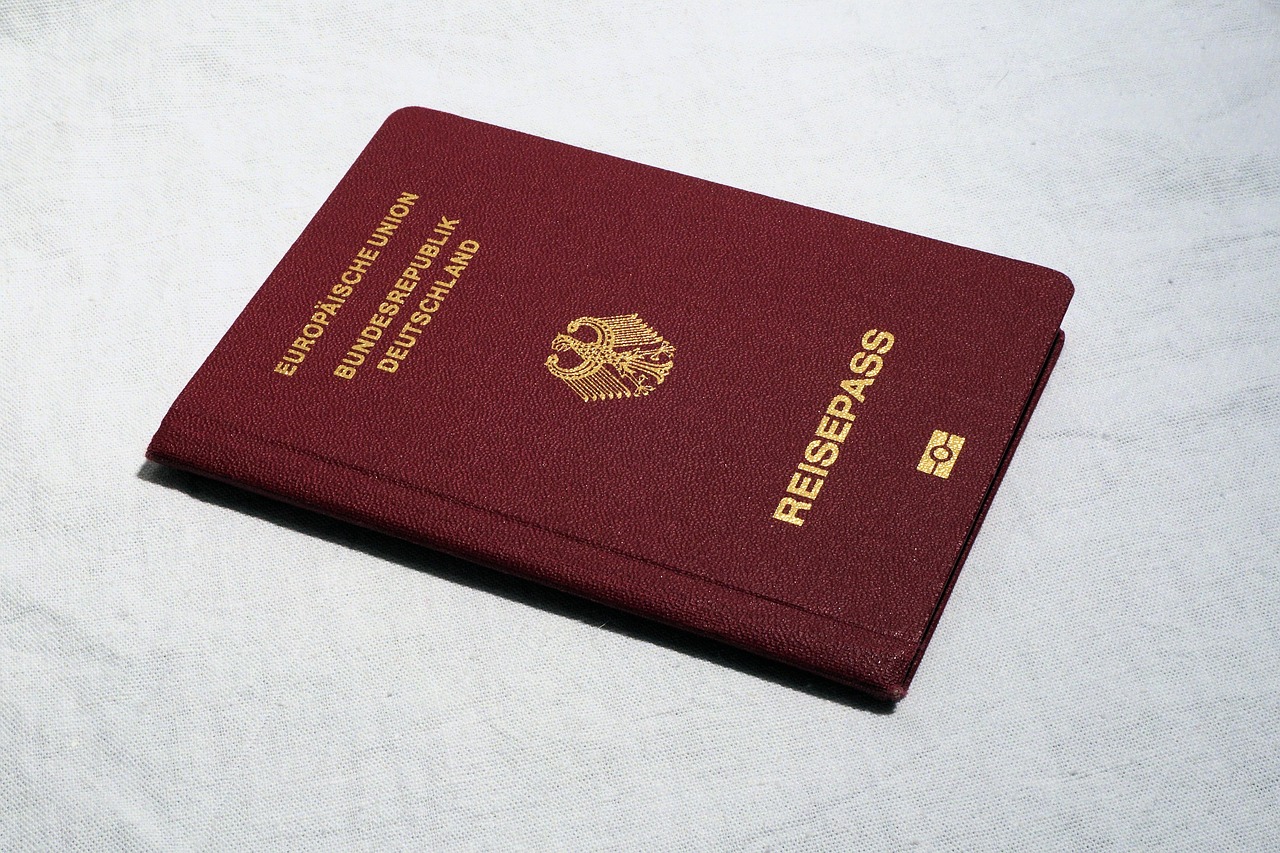
The Electronic Travel Authorization (eTA) is an entry requirement for visa-exempt foreign nationals travelling to Canada by air. It is electronically linked to your passport and is valid for up to five years, or until your passport expires, whichever comes first. There is no sticker and no stamp: once approved, the authorization exists only as a digital record tied to your passport number, and airline staff see it automatically when they scan your passport at check-in.
That digital nature is what makes the eTA easy to underestimate. Nothing arrives in the post, nothing goes into your wallet, and it is entirely possible to forget whether you ever applied — which is why it pays to understand the process once, properly, before your first trip.
Who Needs an eTA?
Most visa-exempt travellers flying to or transiting through Canada need an eTA. Canadian citizens and U.S. citizens are exempt; U.S. lawful permanent residents follow their own document rules. If you are unsure which side of the line you are on, start by checking whether you need an eTA or a visa — the answer depends on your passport, not on your travel plans. Nationality-specific questions come up often too — for instance, whether Dutch passport holders need an eTA depends on the same passport-and-mode-of-arrival logic.
Two details trip people up more than any others. First, the eTA applies to air travel: if you drive across the border or arrive by sea, different rules apply. Second, the eTA is tied to the exact passport you apply with — renew or replace that passport, and the eTA dies with it, no matter how recently it was approved.
What You’ll Need Before You Start
- The passport you will actually travel on, open in front of you
- An email address you check regularly — approval arrives there
- A credit or debit card for the application fee
- A few minutes of undisturbed time: the official form cannot be saved midway
When everything on the list is in front of you, you can apply for your Canada eTA in a single sitting.
The single most important habit: copy your passport details character by character from the biographical page. A transposed digit in the passport number is the classic self-inflicted refusal, and it is entirely avoidable.
How to Apply, Step by Step
- Open the official Canada eTA application form on the Government of Canada website. Apply through the official channel; the form exists in one place.
- Enter your passport details exactly as printed — number, names, dates, issuing country. Do not rely on memory or on an old booking confirmation.
- Fill in your personal details and answer the background questions honestly. Brief, factual answers are all that is asked for.
- Review every field on the summary screen against your physical passport before you pay. This is the moment errors are cheapest to fix.
- Pay the fee and submit. Most applications are approved within minutes, and the confirmation goes to the email address you provided.
Take your time on the review screen — it is the one place where small mistakes are still cheap to fix.
After You Submit
Watch your inbox — and your spam folder, since automated government emails are regularly filtered. Some applications need additional review and can take several days, so treat the fast approvals as the happy path, not a guarantee — our guide on how long Canada eTA processing really takes breaks down what’s typical versus what signals extended review. If your status is unclear later, you can check your eTA status online using your passport details together with your application number.
Once approved, save the confirmation email somewhere you can find again and note the expiry date. Nothing else is required before travel: the authorization is already linked to your passport.
Why Applications Get Refused or Delayed
Beyond simple typos, two things send applications into extended review more than anything else. The first is answering the background questions carelessly — they cover immigration history and criminal history, and an inconsistent or evasive answer draws far more attention than an honest one. Read each question fully rather than pattern-matching to what you expect it to ask; several are worded more precisely than they first appear. The second is passport validity: applying on a passport that expires before or during the planned trip creates problems even when the application itself is flawless, since the eTA can never outlive the passport it’s linked to.
Common Mistakes to Avoid
- Applying with one passport and travelling on another — the eTA will not be found at check-in
- Leaving the application to the last days before a flight, then hitting an extended review
- Mistyping the passport number and only discovering it at the airport
- Assuming an eTA guarantees entry: the final decision always rests with the border officer on arrival
- Not knowing which part of a charge is the government fee — Canada eTA cost: the 7 CAD government fee explained explains what the fee covers and how a service fee differs
Treat the eTA as the first item on your trip checklist rather than the last, and none of these will ever apply to you.