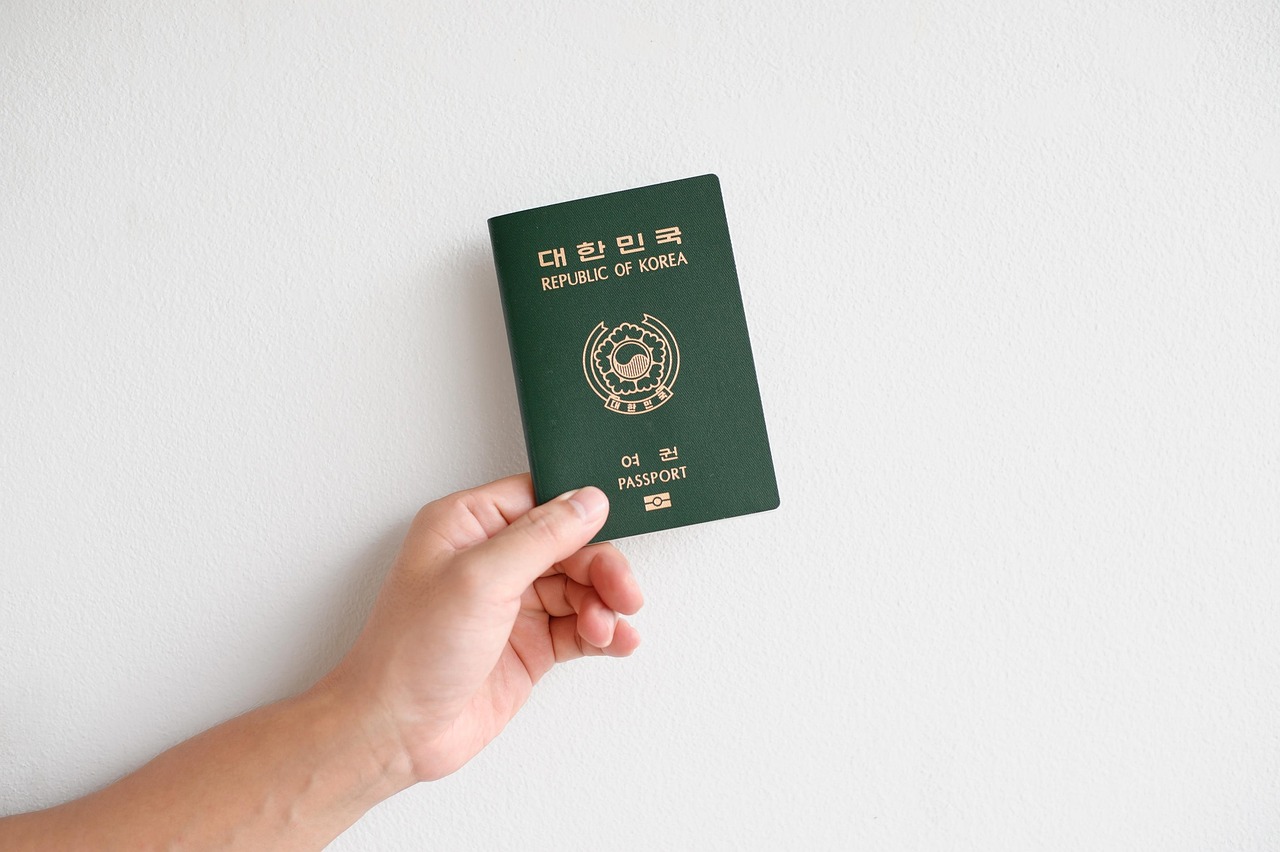
Short version: yes, a South Korean passport needs a Canada eTA before boarding a flight to Canada. Canada treats the Republic of Korea as visa-exempt, so this online authorization stands in for a visitor visa on short trips. Immigration, Refugees and Citizenship Canada, known as IRCC, runs the program, charges 7 CAD, and ties the approval to the passport number rather than adding a stamp.
A part that often trips up South Korean applicants isn’t eligibility, it’s the name fields: the form asks for the surname and given names typed to match the passport precisely, and a Korean name romanized into Latin letters doesn’t always land on the page the same way twice. For the general steps, see the application guide; typical approval times get their own page. What follows covers what’s different for a Korean passport: the name format, the K-ETA mix-up, and connecting flights.
Do South Korean citizens need an eTA for Canada?
Yes, for any trip that involves a flight. The Republic of Korea sits on the Government of Canada’s visa-exempt list, and the eTA fills the same role a visitor visa would play for a longer or visa-required stay. It applies to a direct flight into Canada and just as much to a flight that only connects through a Canadian airport on the way somewhere else; either way, the passport needs an eTA linked to it before departure.
Having an eTA doesn’t settle the entry question on its own; the officer at the border still makes that call, based on the passport and the answers given on arrival. Travellers approved for their first Canadian work or study permit get an eTA folded in automatically as part of that approval, with no separate eTA application needed on top of it.
Korean passport names and the hyphen problem
A South Korean passport prints the surname and given name in Latin letters on the photo page, but Korean names don’t have one fixed way of being written in Latin script: the same two syllables can be written “Min-jun”, “Minjun” or “Min Jun” in different places, and which version shows up on a boarding pass or hotel booking can differ from what’s actually printed on the passport.
The IRCC form has separate fields for surname and given names, and the instruction attached to both says the same thing: enter the name exactly as it appears on the passport or identity document. That includes any hyphen the passport prints in a given name; retyping it as two separate words, or dropping the hyphen to match a booking that spelled it differently, creates exactly the kind of mismatch that can cause trouble later, since the eTA is matched against the passport electronically rather than checked by eye.
| Field | What to enter |
|---|---|
| Surname(s) | Matching the passport photo page, letter for letter |
| Given name(s) | Matching the passport, hyphen or spacing included |
| Passport number | Copied character for character, no re-formatting |
| Passport country of issue | The code for Korea, as shown on the passport’s information page |
Before submitting, it’s worth holding the passport open next to the screen and comparing character by character, rather than typing from memory or from an airline booking that may have normalized the spelling differently.
Canada’s eTA and Korea’s own K-ETA are two different systems
South Korea runs its own K-ETA program for foreign visitors flying into Korea, a similarly named electronic pre-screening tied to a passport, but issued by the Korean government for entry into Korea, not by Canada. A South Korean citizen travelling to Canada never touches K-ETA; that system only applies to non-Koreans entering the Republic of Korea. The Canada eTA described in this guide is a separate, unrelated authorization that a Korean passport holder needs to fly into Canada, issued by IRCC and paid for on Canada’s own system.
Transiting through Canada
A flight that only touches down in Canada on the way to the United States, or back again, still counts as flying into a Canadian airport and still needs an eTA; the connection doesn’t have to leave the airport for the requirement to apply. The transit passenger guide covers layover specifics in more detail, including whether staying airside changes anything.
Vancouver and Toronto are common connection points for flights routed between South Korea and destinations further into North America, and the eTA rule is identical at either airport; there’s no exemption tied to a specific gateway. Arriving instead by land or sea, such as driving across from the United States, generally doesn’t require an eTA at all, since the requirement is tied to flying.
Cost and how long approval takes
Applying costs 7 CAD per person, charged as soon as the form is submitted and kept whether or not the eTA gets approved. Approval usually comes back within minutes of applying online, though a share of applications get flagged for extra documents and take several days to clear; leaving a buffer before locking in a non-refundable flight or hotel is worth the caution.
How long a Korean traveller’s eTA stays valid
A South Korean passport’s eTA stays usable for as much as five years from the date it’s approved, or less if the passport itself runs out first, and it works for any number of short visits inside that window without reapplying each time. Getting a new passport ends the link completely, so a replacement passport means a new eTA is needed even if the old one still had time on it. Anyone with under a year left before their current passport expires should check that date before applying, since the new eTA can’t outlast it.
Checking your eTA status
Waiting on approval is when most questions come in, and checking status is worth doing through the tool built for it rather than guessing from the payment receipt alone. The lookup needs the passport details together with the application number or UCI issued at submission, not the passport number by itself; without that pairing, it won’t return a result.
The “Transaction Approved” message shown right after paying only confirms that the 7 CAD charge went through. It isn’t the eTA decision, which is separate and arrives later by email, so an approved payment and a pending application can sit side by side for a few days without anything actually being wrong.
If the confirmation email hasn’t shown up, checking the spam or junk folder is worth doing before assuming something failed, since automated government mail gets filtered there more often than applicants expect. Keeping the application number or UCI saved somewhere outside the inbox makes it possible to check status even if the original email is never found.
Filing it yourself or getting help filing it
Filing directly on canada.ca costs nothing beyond the 7 CAD government fee, and the same authority decides the outcome no matter which route was used to apply.
For anyone who’d rather have the English or French form explained step by step, get-eta.com runs that as a paid private service, kept separate from the Government of Canada; its page to apply for a Canada eTA is where that starts, and any amount charged past 7 CAD is the company’s own fee for the help. The same site also offers a check your eTA status tool for approvals that are taking a while.
The short version
- South Korean citizens need an eTA to fly to Canada, since the Republic of Korea counts as visa-exempt; the fee is 7 CAD.
- Type the surname and given names to match the passport precisely, hyphens and spacing included.
- Korea’s own K-ETA is a different system for entering Korea; it has nothing to do with the Canada eTA.
- A flight connecting through a Canadian airport, including via Vancouver or Toronto, still needs an eTA.
- Approval usually arrives within minutes; a smaller share takes several days.
- The eTA stays linked to the passport for five years at most, or until it expires, whichever comes sooner, and checking on it later needs the passport plus the application number or UCI, not the passport alone.
FAQ
Do South Korean citizens need a visa to visit Canada? No, South Korea sits on the visa-exempt list for short visits. Flying into Canada still requires an eTA, though, and that’s a separate, cheaper requirement rather than a visa. The rule applies to any Canada-bound flight, including one that’s only a connection.
What happens if my Korean given name has a hyphen? Enter it exactly as the passport prints it, hyphen included. Splitting it into two separate words, or removing the hyphen to match how a booking or ID elsewhere spelled it, creates a mismatch against the passport record. When in doubt, copy the name directly from the photo page rather than from memory.
Is Canada’s eTA the same as Korea’s K-ETA? No. K-ETA is South Korea’s own system for foreign visitors entering Korea, run by the Korean government. The Canada eTA is a completely separate authorization issued by IRCC for flying into Canada, and South Korean citizens use only the Canada eTA for that trip.
Does a flight connecting through Vancouver or Toronto need an eTA? Yes. Any flight that stops at a Canadian airport, even briefly, needs an eTA linked to the passport, whether or not the passenger leaves the terminal. The rule is the same no matter which Canadian airport the connection uses.
Can I check my eTA status with just my passport number? No, the status check also needs the application number or UCI that was issued when the application was submitted. Saving that number somewhere outside the inbox makes it easier to check status later if the confirmation email is delayed or hard to find.
For the country-by-country breakdown that lists South Korea among the visa-exempt countries, see IRCC’s page on entry requirements by country.