
Open your eTA approval email and compare the passport number there with the number on the passport you plan to carry. This five-second check, done before you leave home, prevents every eTA-related check-in failure.
That’s the whole answer, but understanding why it works — and what breaks when it doesn’t — is what makes the check stick as a habit rather than a box you tick once and forget. If you want background on the full application process, how to apply for a Canada eTA covers every step from start to finish.
The one document check that stops problems before the airport
Your eTA is not a card, a stamp, or a document you hand over. It lives in a database, tied to a single passport number. When you applied, the system recorded that number and linked the authorisation to it. The passport you carry to the Air Canada counter is the key that unlocks that record — and if the key doesn’t match, the record might as well not exist.
So pull up your approval email now, while you’re still at home. Find the passport number printed in it. Then open your passport to the data page and read the number there. They should be identical, character for character. If they are, you’re done. If they’re not — if you’ve renewed your passport since you applied, or if you applied with a secondary passport you don’t plan to use — you have a problem that needs fixing before you get anywhere near an airport.
This is the only document check that matters for Air Canada check-in when you hold an eTA. Everything else — your booking reference, your loyalty number, your seat assignment — the airline already has. If you’re wondering whether your frequent flyer account plays any role in eTA verification, it doesn’t — linking your travel account to a Canada eTA explains why the two systems stay separate. What it needs to verify at the counter is that the person standing there is the person the Canadian government has authorised to board a flight to Canada, and it does that through your passport.
Why the passport number must match: how the airline verifies your eTA
Airlines flying to Canada are required to verify eTA status before boarding. This isn’t Air Canada’s own policy layer — it’s a condition of operating flights into Canadian airspace. The check happens when a staff member or automated kiosk reads your passport. The system queries the eTA database using your passport number as the lookup key. If an approved eTA is linked to that number, the check passes. If it isn’t, it fails.
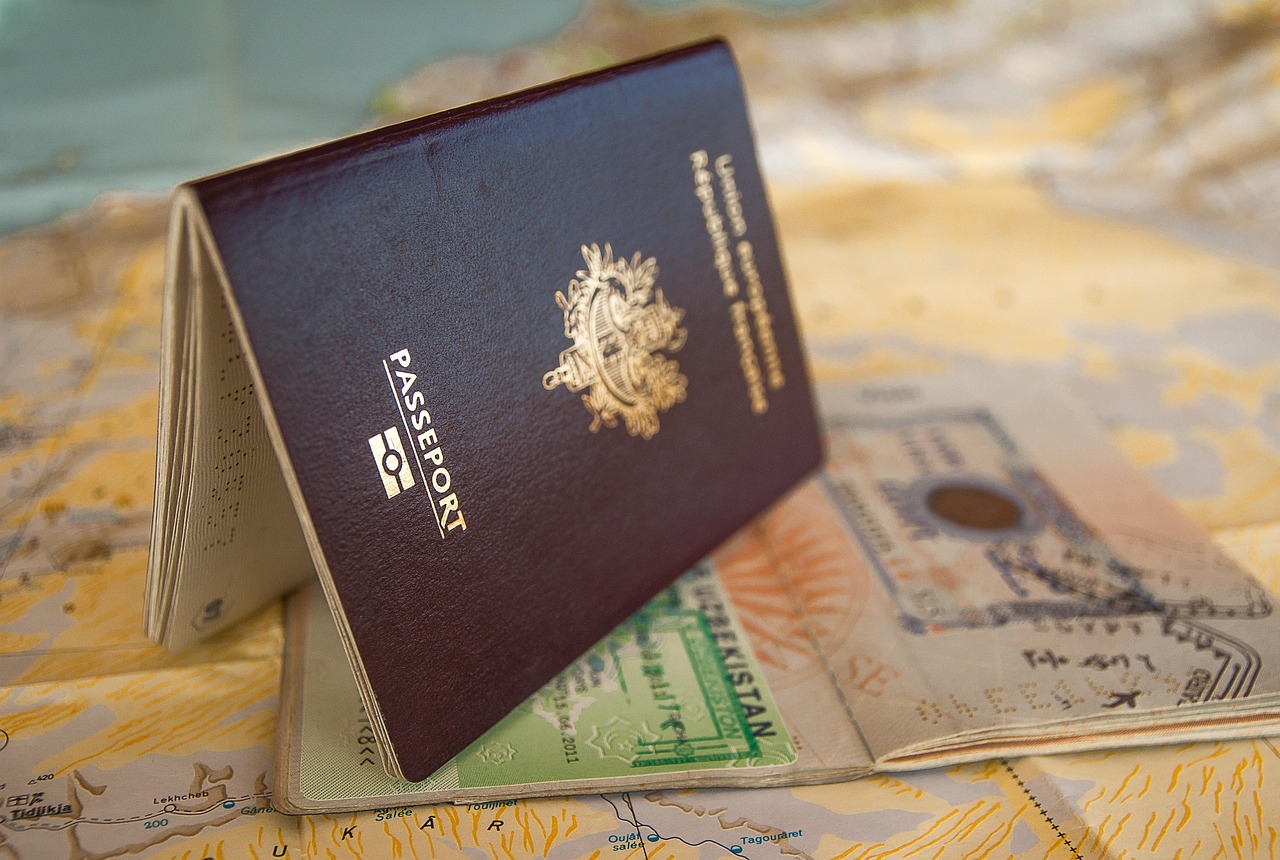
This is why the physical passport you carry is the only document that matters at the counter. The approval email is evidence of the link, not the link itself. Showing the email to a check-in agent who cannot find your eTA in the system won’t resolve the problem — the database lookup has already returned a negative result, and an email cannot override it.
The mechanism also explains something that confuses a lot of travellers: you don’t need to carry a printout, a screenshot, or any paper version of your eTA. The airline reads the passport, the system confirms the authorisation, and the process moves on. What you need to carry is the specific passport that was used in your application.
If you’re a US permanent resident, the document picture is slightly different: you’ll need both a valid passport from your country of nationality and your green card (or equivalent proof of status). The eTA, if required, would still be tied to your passport number, so the same matching logic applies.
Holding Global Entry doesn’t change any of this either — that US trusted-traveller card speeds up re-entry to the US, and Global Entry does not replace the eTA that Canada checks against your passport number at this same counter.
For those travelling with a Canadian passport, the eTA question doesn’t arise — dual citizens travelling to Canada need a Canadian passport, not an eTA, and that’s a separate set of rules worth understanding if it applies to you.
When to do this check and why timing matters
The check is most useful done well in advance of your departure, not the night before. That gap matters because if the numbers don’t match, you’ll need to apply for a new eTA tied to the passport you’re actually carrying — and while most decisions arrive within minutes, some applications take several days to process, with applicants receiving an email within 72 hours outlining next steps. A last-minute discovery gives you no room to absorb a delay.
There’s a secondary reason to do it early: passport expiry. Your passport must be valid for your entire stay in Canada. If you notice during this check that your passport expires before your return date, you’ve found a different problem — one that takes longer to fix than an eTA mismatch.
The approval email is also your record that the eTA exists and is linked to the correct document. Keep it accessible on your phone for the trip, not because you’ll need to show it, but because if anything unusual happens at check-in, having the approval reference number speeds up any conversation with airline staff.
If you’re not certain your eTA is still current — perhaps you applied a while ago and want to confirm the status before flying — you can check your eTA status to confirm the authorisation is still active against your passport number.
What happens if the numbers don’t match
The most common cause is a passport renewal. You applied for your eTA with your old passport, renewed your passport before the trip, and now plan to travel on the new one. The new passport has a different number. The eTA is not attached to it. At the Air Canada counter, the scan returns nothing, and the agent cannot board you.
The fix is straightforward but time-sensitive: apply for a new eTA using the new passport. The old eTA doesn’t transfer — the authorisation is attached to a document number, not to a person. A new application with the correct passport number is what creates the link the airline needs to find.
If you discover this mismatch at the airport, your options narrow quickly. Applying on your phone in the check-in queue is possible — most decisions come back within minutes — but you’re gambling on processing time against a boarding deadline, and that’s a position no one wants to be in. The travellers who end up in that position almost always say the same thing: they assumed the eTA followed them when they renewed their passport. It doesn’t.
For a broader look at what happens when passport details change after an eTA is issued, Canada eTA after passport details change covers the full range of scenarios, including what to do if only the expiry date has changed.
What the airline’s scan actually does — and what it doesn’t
The scan confirms one thing: that an approved eTA exists in the Canadian government’s database for the passport number being read. It doesn’t verify the purpose of your trip, your accommodation, your return ticket, or your funds. Those questions belong to the Canada Border Services Agency officer you’ll meet on arrival, not to the check-in agent.
 Photo by Andrew Thomas from Shrewsbury, UK on wikimedia (CC BY-SA 2.0)
What this means practically is that passing the check-in scan is not the same as being cleared to enter Canada. The eTA authorises the airline to carry you; it doesn’t guarantee entry. A border officer can still ask questions, request documentation, or in rare cases refuse entry. For a clear picture of what that arrival process actually looks like, what to expect on arrival with a Canadian eTA walks through the border process in practical terms.
What the scan also doesn’t do is read your booking reference, your loyalty account, or any other travel document. It reads the passport. That single data point is what the entire check-in verification hinges on, which is why the passport-to-approval-email comparison is the only check that actually matters before you leave home. Everything else about your Air Canada booking can be sorted at the counter or on the phone. A mismatched passport number cannot.