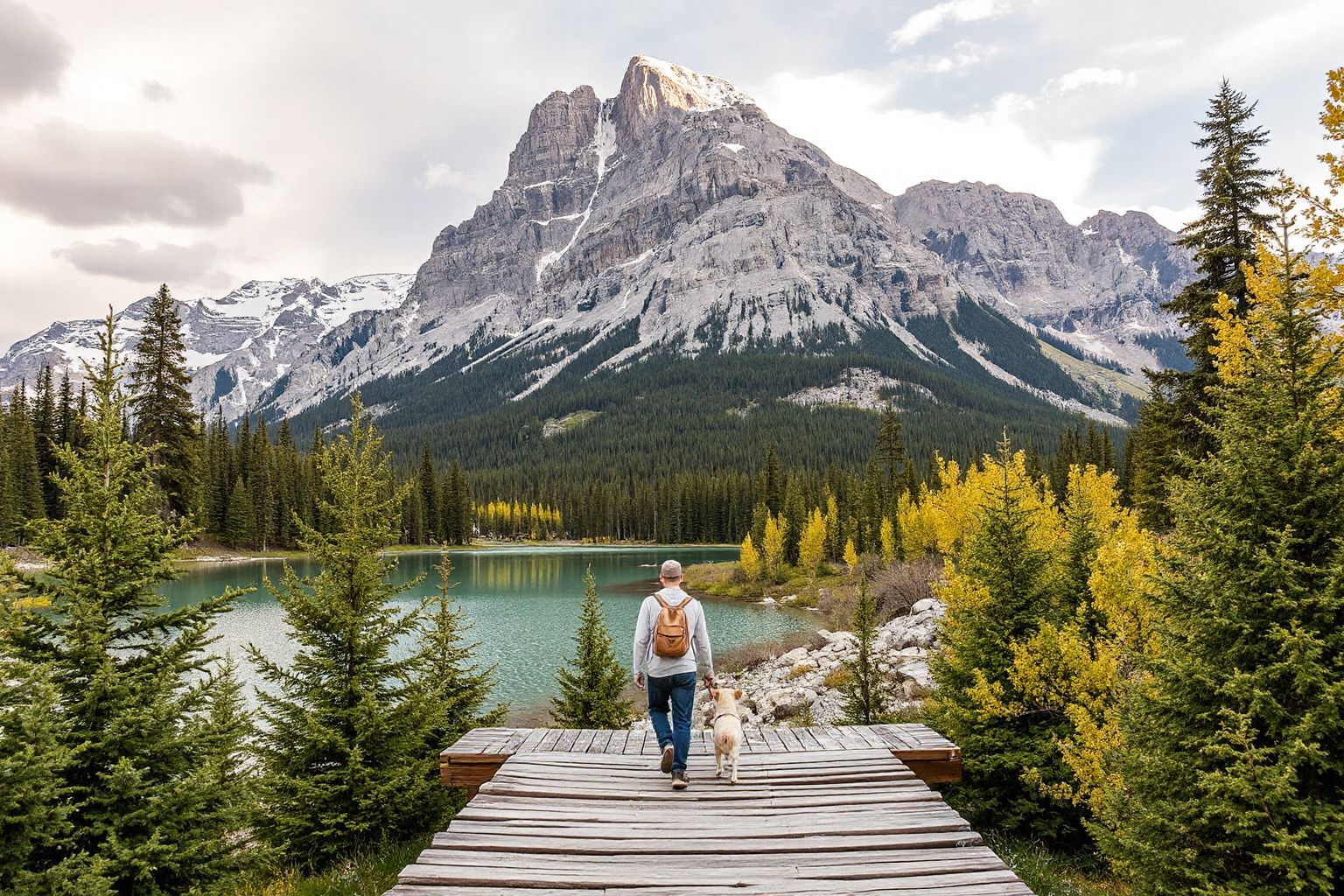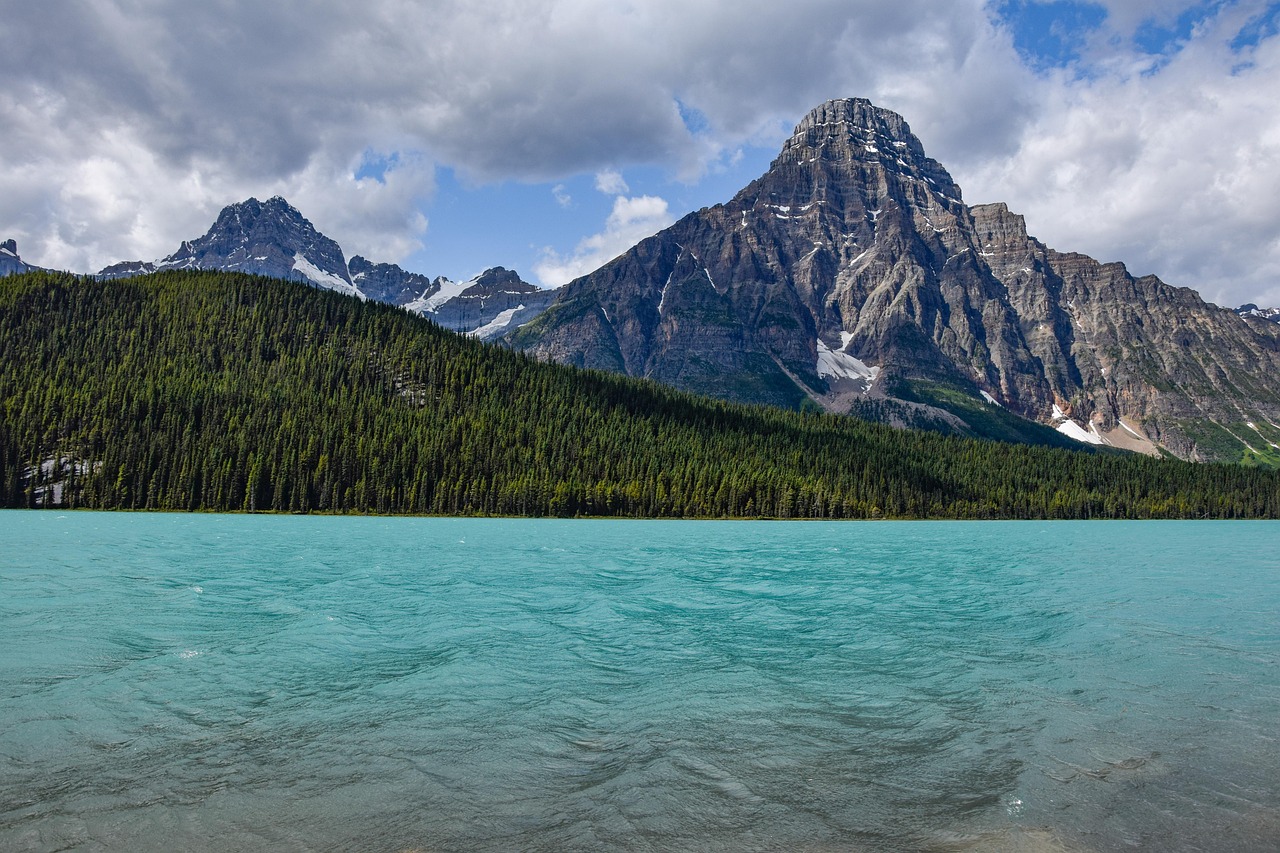
You’re standing in front of a Parks Canada map, and two labels keep appearing: “National Park” and “National Historic Site.” They both sound significant, they’re both managed by the same agency, and some of them even share a name. But they are built around completely different ideas of what a destination should give you - and choosing the wrong one for your trip means arriving somewhere that doesn’t match what you were hoping to find.
The short answer: national parks protect wild landscapes - mountains, glaciers, boreal forest, tundra - so you can move through them. National historic sites protect the evidence of human events, so you can understand them. One is about ecological scale; the other is about story. If you want to spend three days hiking through a river valley with no cell signal, you want a national park. If you want to walk through a Klondike-era frontier town and see a vintage sternwheeler tied up at the dock, you want a national historic site. Most trips benefit from both, but the planning logic is different for each.
Before you get too deep into the destination research, if you’re flying into Canada from abroad and your passport requires travel authorisation, you’ll want to apply for a Canada eTA before you book anything else - it’s tied to your passport and needs to be in place before you board. If you’re unsure what documents you need, the Canada eTA vs visitor visa guide explains the key differences clearly.
At a Glance: Which Type of Destination Are You Looking For?
| National Park | National Historic Site | |
|---|---|---|
| Primary Focus | Protecting outstanding natural landscapes and ecological systems | Protecting and interpreting Canadian history and cultural heritage |
| Typical Activities | Hiking, camping, wildlife watching, paddling, stargazing, skiing | Guided tours, exhibits, archaeological walks, heritage interpretation |
| Visitor Experience | Immersive, often remote | Contained, frequently urban or semi-rural |
| Scale | Vast - 343,377 sq km protected across 37 parks and 11 reserves | Ranges from a 2-hectare archaeological site to a whole historic district |
| Best For | Wilderness immersion, physical activity, ecological diversity | History, culture, Indigenous stories, architecture, battlefield context |
| Location Pattern | Every province and territory, often remote | Every province and territory, including city centres |
National Parks: Prioritizing Untamed Wilderness and Ecological Preservation
Canada has 37 national parks and 11 national park reserves, together protecting approximately 343,377 square kilometres of land - an area larger than most countries. They cover 31 of Canada’s 39 terrestrial natural regions, which means the range is genuinely staggering: Banff’s limestone peaks, the coastal rainforest of Pacific Rim, the flat boreal expanse of Wood Buffalo, the Arctic tundra of Auyuittuq. There’s a national park in every province and territory, which matters when you’re planning a route. For those planning a first visit, the Canada eTA processing time guide is worth checking early so your authorisation is ready well before departure.
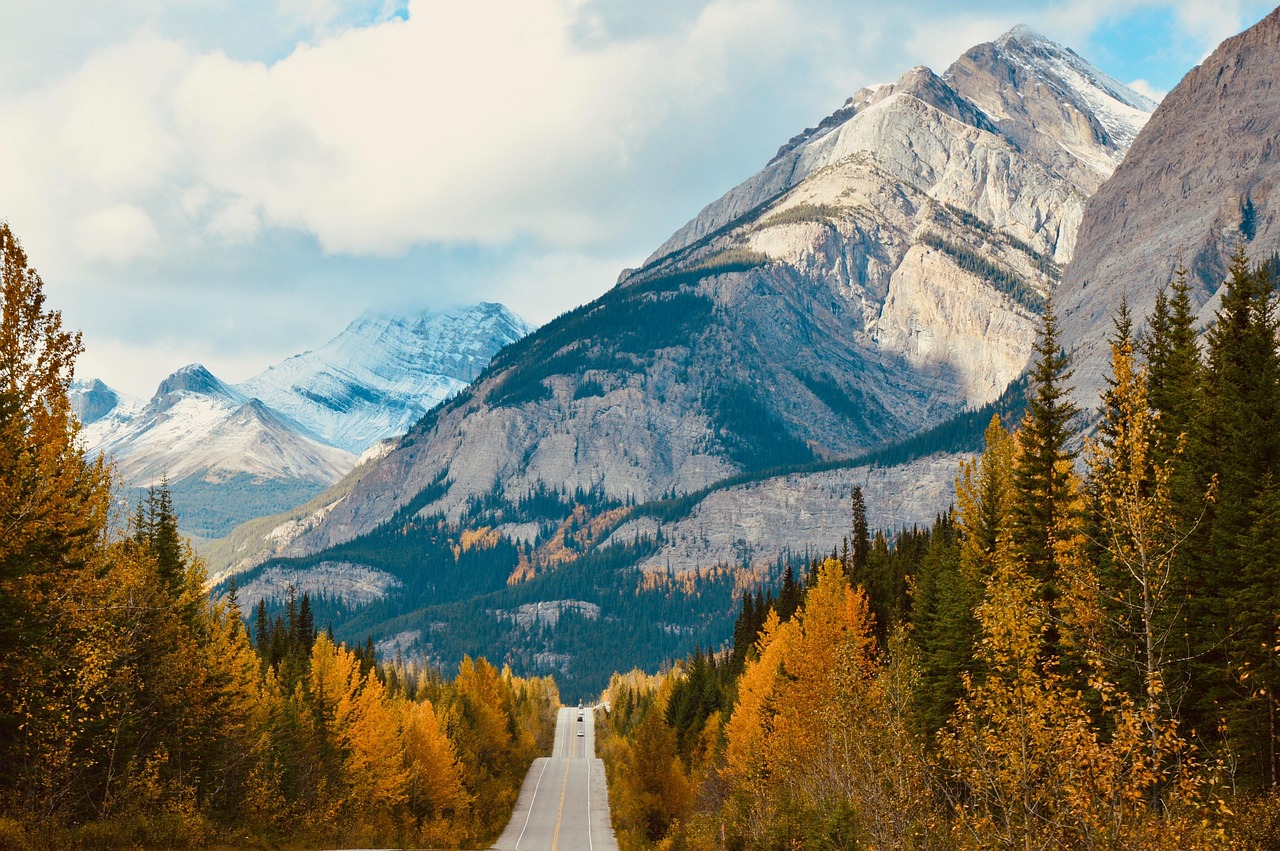
The governing idea is ecological integrity. Parks Canada manages these places so visitors can understand, appreciate, and enjoy them without compromising the natural systems that make them worth visiting in the first place. That means wildlife has right of way, development is tightly constrained, and the landscape itself is the attraction - not a building or an artefact, but the living thing in front of you.
What you actually do in a national park is move through it. You hike a backcountry trail for two days and camp beside a glacier. You paddle a lake system that connects to another lake, and then another. You pull over on a highway because a grizzly is thirty metres from the road. The activities Parks Canada lists across its destinations - camping, stargazing, sports, outdoor pursuits - are all expressions of that same impulse: put yourself inside a functioning wild place and pay attention. Timing your visit around the best time for wildlife viewing in Canada’s parks makes moments like that grizzly sighting considerably more likely.
The eleven national park reserves are worth understanding separately. They’re managed under the same legislation as national parks and offer visitors the same experience, but they sit on lands where Indigenous land claims are still being negotiated. Inside those reserves, Indigenous peoples continue traditional hunting, fishing, and trapping - something you won’t encounter in a standard national park. Pacific Rim National Park Reserve is an example: the wild Pacific coastline is the same, but the cultural context is layered differently.
One thing to reckon with early: distances inside a national park are not what they look like on a map. Plan for full days of travel between trailheads, and build in weather contingency - conditions can close roads and trails with very little warning.
National Historic Sites: Stepping into Canada’s Past and Cultural Narratives
There are 1,004 national historic sites in Canada. Parks Canada directly administers 171 of them; the rest are designated but managed by other bodies - municipalities, provinces, Indigenous organisations, private owners. That distinction matters practically: if you’re planning a visit, confirm who runs the site and whether it has regular public hours.
The range of what qualifies as a national historic site is wider than most people expect. The category includes archaeological sites, battlefields, heritage houses, historic districts, sacred spaces, and places of scientific discovery. They appear in wilderness settings, in small towns, and in the middle of cities. The Klondike National Historic Sites in Dawson City, Yukon, preserve the physical fabric of the Gold Rush era - frontier buildings, a vintage sternwheeler, goldfields, and a poet’s cabin. Hopedale Mission in Labrador is a cluster of large wooden buildings constructed by the Moravian Church, standing against a rocky shoreline with almost nothing else around them. Saint-Louis Mission near Victoria Harbour, Ontario, is a 2-hectare archaeological site: mounds and surface depressions in a tableland beside the Hogg River, readable only if you know what you’re looking at. Beaubassin and Fort Lawrence in Nova Scotia mark the ground where Britain and France fought for control of the Isthmus of Chignecto - a landscape that looks quiet now but carries enormous weight once you understand the story.
What these places share is that the human event is the point. You’re not there to move through a landscape; you’re there to understand something that happened. The experience is usually more contained - a few hours rather than a few days - and the interpretive layer matters enormously. A good Parks Canada interpreter at Fort Langley or Fisgard Lighthouse can completely change what you take away from a visit. Without that context, some sites read as not much more than old buildings.
National historic sites dedicated to Indigenous history and culture deserve particular attention. They’re not footnotes to European settlement history - they’re often the oldest and most complex stories on the land, and Parks Canada has increasingly centred them in its interpretation programs.
Deciding Your Focus: Nature Immersion vs. Historical Exploration
The honest fork in the road looks like this:
Choose a national park if:
- You want to spend multiple days outside, moving through a landscape
- Wildlife, geology, or ecological diversity is what draws you to Canada
- You’re comfortable with variable weather and some physical effort
- You want the kind of silence that only comes from being genuinely far from a town
Choose a national historic site if:
- A specific period of Canadian history - the Gold Rush, Acadian settlement, early Indigenous cultures, colonial conflict - is what you came to understand
- You’re travelling with people who need a more structured, contained experience
- You’re already in or near a city and want a half-day that adds real depth
- You want indoor interpretation, exhibits, or guided programming
The honest caveat about historic sites: not every one of them is set up for a casual visitor. Of the 1,004 designated sites, only 171 are directly administered by Parks Canada with staffed interpretation. Others may have a plaque and nothing else. Do a quick check before you drive two hours to find a field with a sign.
Combining Experiences: How to Blend Parks and Sites into One Trip
The most rewarding Canadian trips usually do both, and the geography often makes that natural. Banff National Park contains the Banff Park Museum National Historic Site - a Victorian-era natural history museum that tells the story of how Canadians first tried to make sense of the mountain West. Kejimkujik in Nova Scotia carries a dual designation as both a national park and a national historic site, recognising that the Mi’kmaw people’s relationship with that landscape is inseparable from the landscape itself.
A practical approach: anchor your itinerary around one or two national parks for the multi-day, outdoor core of the trip, then layer in national historic sites at either end - typically in or near the city where you land. If you’re flying into Vancouver, Fort Langley is an hour’s drive and a half-day well spent before you drive north toward the parks. If you’re flying into Halifax, the Citadel and the Beaubassin sites frame the history of the Maritimes before you head into Kejimkujik.
The thing to watch is the assumption that historic sites are quick and parks are slow. Some historic sites - the Klondike sites in Dawson City, for instance - warrant a full day or more. And some national parks have day-use areas that work perfectly for a few hours if you’re passing through. Don’t let the category dictate the time budget; let the specific site do that.
Logistics and Practicalities: Planning Your Visit to Each Type of Destination
Admission and passes: Parks Canada operates an admission system that covers both national parks and the Parks Canada-administered historic sites. A single discovery pass covers multiple destinations across the network, which makes it worth considering if you’re visiting more than two or three sites in a season. The Canada Strong Pass offers free admission to Parks Canada destinations and a discount on camping and overnight stays - check Parks Canada’s current programming to see what’s active when you travel, since these offers change.
Seasonal access: This is where national parks and historic sites diverge sharply. Most national parks are open year-round, but many facilities - campgrounds, visitor centres, some trails - operate on a compressed season. In the shoulder seasons, you may find roads gated, services closed, and backcountry routes impassable. National historic sites, particularly urban ones, often have more predictable year-round hours, though smaller sites in remote locations can be as seasonal as any park.
Getting there: Canada’s distances are genuinely larger than a map suggests. Jasper and Banff are both in the Rockies, but they are significantly far apart. A historic site that looks close to a national park on a provincial map might be a four-hour drive. Build that into your planning, and don’t assume that visiting two Parks Canada destinations in a day is always realistic. Once you’re inside a park, renting a car versus relying on park shuttles is the next decision that shapes how much ground you can actually cover.
Families and accessibility: Both types of destination have made real investments in accessible programming. Parks Canada lists accessible travel as a distinct offering across its network. For families with young children, the contained, story-driven nature of many historic sites can work better than a full-day backcountry hike - but many national parks have short, well-maintained interpretive trails that work for all ages and fitness levels.
For more on what to expect when you land, the Canada eTA airport and border procedures guide covers the arrival process clearly. Once your trip is booked, you can also check your eTA status to confirm your authorisation is linked to your passport before you fly.
Common Mistakes Travellers Make When Choosing Between Parks and Sites
Assuming all historic sites have the same visitor infrastructure as national parks. Of 1,004 national historic sites, only 171 are directly administered by Parks Canada. The rest are designated but may have no staff, no interpretive signage beyond a plaque, and no regular hours. Arriving at one of these expecting a visitor centre is a real disappointment. Check the Parks Canada site for the specific location before you go.
Treating a national park as a drive-through. Banff and Jasper are on many road-trip itineraries as a single day’s drive. The scenery from the highway is extraordinary, but you haven’t experienced the park - you’ve driven past it. These places are built for multi-day visits. Booking a campsite or a night in the park changes the experience entirely.
Conflating “historic” with “boring” and skipping sites that would have been the highlight. The Klondike National Historic Sites in Dawson City are among the most atmospheric places in Canada. Hopedale Mission, accessible only by air or sea, is unlike anything else on the continent. The category label tells you the primary mission, not the quality of the experience.
Underestimating seasonal closures at remote parks. A national park in northern Canada or at high elevation may have a limited visitor window. Arriving outside that window can mean closed roads, no services, and genuine safety risks. Check the specific park’s seasonal schedule, not just the general Parks Canada calendar.
Assuming a dual-designation site like Kejimkujik is twice as good and half the planning. Kejimkujik’s dual status means it rewards both kinds of attention - the paddling and the petroglyphs - but you need to plan for both deliberately. Most visitors arrive for one and miss the other entirely. Read the site description before you go and decide in advance which threads you want to follow.
FAQ
Can I find both natural beauty and historical elements in a National Park?
Yes, and more often than you’d expect. Banff National Park contains the Banff Park Museum National Historic Site within its boundaries. Kejimkujik carries a full dual designation as both a national park and a national historic site. Many parks also interpret Indigenous relationships with the land as part of their programming, so the cultural layer is often present even where no formal historic site designation exists.
Are National Historic Sites usually smaller and easier to visit than National Parks? Generally, yes - but not always. Most historic sites are more contained and can be visited in a few hours, while a national park typically demands multiple days to experience properly. However, sites like the Klondike National Historic Sites in Dawson City are spread across a town and its surrounding goldfields, and can easily fill a full day. The 2-hectare Saint-Louis Mission archaeological site near Georgian Bay, on the other hand, is genuinely compact.
Do I need different passes or permits for National Parks versus National Historic Sites? Parks Canada’s discovery pass covers both national parks and the Parks Canada-administered historic sites under a single system. The practical distinction is that not all 1,004 national historic sites are administered by Parks Canada - 171 are, and those fall under the pass. Sites managed by other bodies may have their own admission arrangements or none at all.
Which type of destination is better for families with young children? It depends on the specific site and the age of the children. Many national historic sites offer structured, story-driven interpretation in a contained space, which can work well for younger children who aren’t ready for long trails. That said, most national parks have accessible short trails and family-oriented programming. The key variable is physical demand: a half-day at a heritage fort is predictable; a backcountry hike is not.
Are some National Parks also considered National Historic Sites, or vice versa? Yes. Kejimkujik in Nova Scotia is formally designated as both. The Banff Park Museum inside Banff National Park is a national historic site within a national park. These overlapping designations reflect places where the natural and human histories are genuinely inseparable - the landscape shaped the culture, and the culture shaped how the landscape was understood and used.
Planning Ahead: Entry Requirements for International Visitors
Wrapping Up
The core rule is simple: national parks are for moving through wild places; national historic sites are for understanding human events in specific places. Both are found in every province and territory, both are managed (in part) by Parks Canada, and the best Canadian trips weave between them. Start by deciding whether your primary need on this trip is physical immersion in a landscape or narrative immersion in a story - then use that to anchor your itinerary, and let the other type fill in around it. For visitors arriving by air, confirming your eTA application is approved before booking park reservations or campsite permits will save you one less thing to worry about once you land.