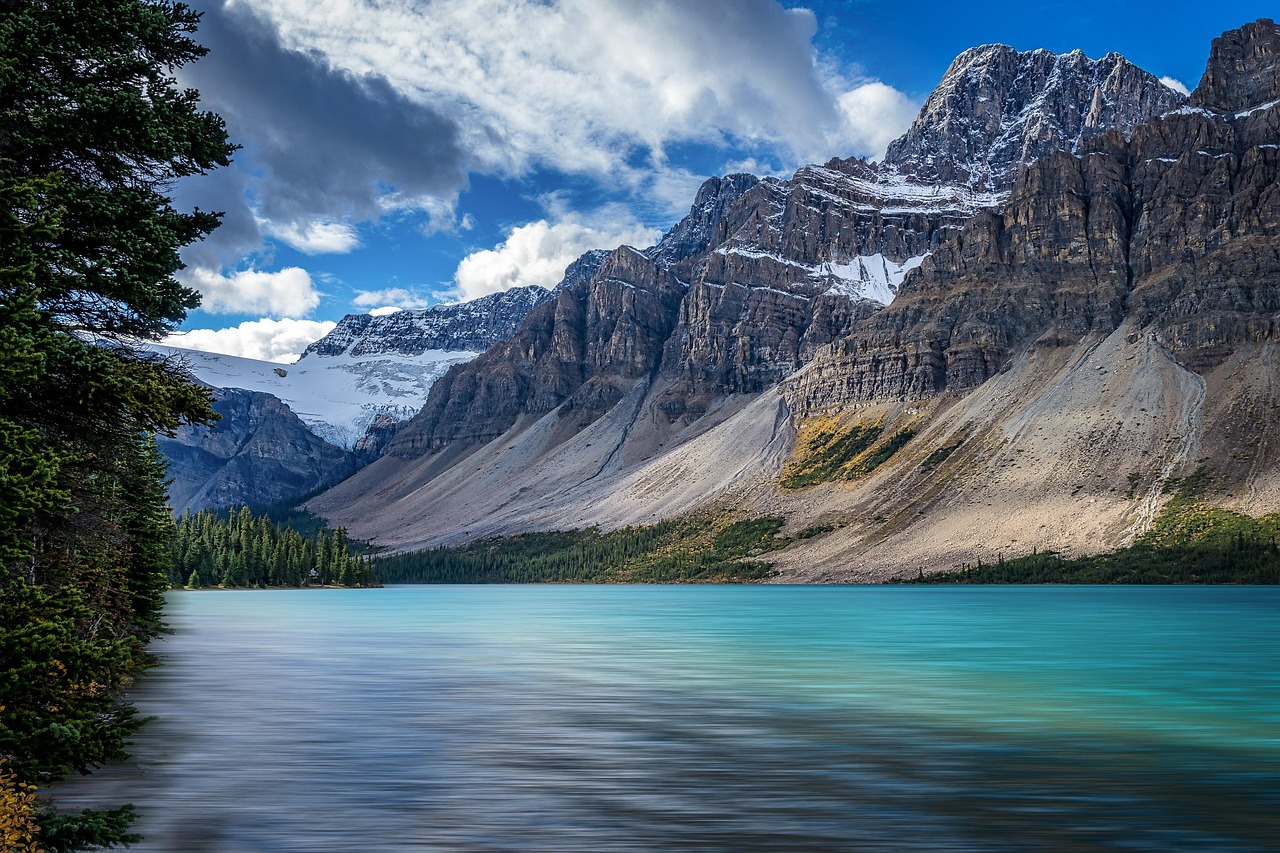
You’ve blocked off the week, you’ve picked the park — and now you’re staring at a calendar wondering whether the moose will actually show up. The honest answer is that shoulder seasons, particularly late spring and autumn, give you the best odds for memorable wildlife encounters, while peak summer trades some of that wildlife intensity for easier logistics and the widest access to park infrastructure. Neither choice is wrong; they reward different kinds of patience.
Canada’s 37 national parks and 11 national park reserves cover approximately 343,000 square kilometres across every province and territory — mountains, boreal forest, tundra, plains, and coastline. That scale matters: a “best time” for grizzlies in Jasper is a different conversation from a “best time” for songbird migration at Point Pelee. But the underlying rhythm of animal behaviour runs on the same seasonal clock everywhere, and once you understand that clock, you can match your trip to the specific sighting you’re after.
Before you get too deep into planning the wildlife side, if you’re flying in from abroad, entry paperwork is worth sorting early — the Canada eTA application checklist covers what you’ll need before you board.
Understanding Wildlife Activity Cycles: Why Timing Matters
Animals don’t organise their lives around the Parks Canada visitor season. They follow food, temperature, light, and breeding cycles — and those cycles often peak at the exact moments when the parks are least crowded or hardest to reach.
The core principle is simple: animals are most visible when they are most active, and they are most active when they have a biological reason to be. That means the rut, migration, denning emergence, and calving events are your windows. Most of those fall outside the July–August peak. Summer is still productive — wildlife watching is listed as a summer activity across Parks Canada destinations — but the animals are more dispersed, foliage is thicker, and competition for viewpoints is at its highest.
The second principle is distance. Canada’s parks look compact on a map and are anything but on the ground. Factor in drive times between wildlife corridors and plan your days around movement, not just a single trailhead.
Spring and Early Summer: The Emergence and Migratory Opportunities
This is the season that rewards early risers and travellers willing to accept unpredictable weather. Snow can still sit on high passes in May; a warm afternoon can follow a frosty morning in June. What you get in return is remarkable. If Banff is on your spring itinerary, our spring Banff packing checklist covers what to bring for that kind of swing between frost and sun.
Bears emerge from dens hungry and motivated to move, which means they spend long hours feeding in open meadows and along roadsides rather than retreating into dense forest. Females with cubs are particularly visible in early season because they favour open ground where they can spot threats. In parks like Banff and Jasper, bears are active through late spring.
Calving ungulates — elk, bison, caribou depending on the park — produce young in late spring, and predator activity rises with them. That chain reaction keeps meadows and valley floors busy with movement.
Migratory birds are the defining story of spring at parks in southern Canada. Point Pelee National Park sits at the tip of a peninsula jutting into Lake Erie and acts as a funnel for birds crossing the lake. The spring migration concentrates hundreds of species into a small area over a matter of weeks. If birds are your primary target, Point Pelee in spring is one of the genuinely world-class experiences this country offers — but the window is narrow and the park fills up. Reservations for camping and parking are essential, and Parks Canada recommends making them well in advance.
The trade-off in spring is access. Some park roads, campgrounds, and backcountry routes open progressively as snow melts. Verify which services are available before you go — a trail that appears on the map may not be passable until well into the season, and knowing what to do if you lose a hiking trail in a national park is worth reading before you set out on routes that are only partially marked.
Late Summer and Autumn: Prime Time for Larger Mammals and Mating Rituals
If your list includes elk, moose, or caribou and you want to see them doing something dramatic, autumn is your season. The elk rut in parks like Banff and Jasper turns ordinarily elusive animals into conspicuous, loud, and surprisingly close presences. Bulls bugle through the valleys, herd females across open meadows, and generally ignore the usual caution that keeps them out of sight. Townsite areas and valley floors become active stages.
Bears are in hyperphagia — a pre-denning feeding frenzy — through late summer and autumn, consuming enormous quantities of berries and other food. They cover more ground and stay out longer than at any other time of year, which translates to more sightings along berry-rich slopes and forest edges.
Crowds thin noticeably after the summer peak, which means quieter roads, easier parking, and a better chance of watching a scene without twenty other cars stopped beside you. Temperatures are cooler, the light is lower and warmer, and the foliage adds context to photographs that summer’s flat green doesn’t offer.
The weather window matters here. Mountain weather in particular can shift quickly in September and October. Snow can close high-elevation routes early. Check conditions for the specific park before you commit to a backcountry plan.
Winter’s Unique Wildlife Spectacles: Tracking and Survival
Winter is the season most visitors skip, which is precisely why it can be extraordinary. Tracks in fresh snow tell you what moved through overnight before you arrived. Wolves, which are rarely seen in summer, are more visible in winter because they follow ungulate herds into valleys and hunt in open terrain.
Bison in Wood Buffalo National Park and Elk Island National Park are large enough that snow doesn’t hide them, and winter strips the landscape of visual clutter.
The practical reality of winter visits: many facilities close. Some parks operate with reduced services or no services at all outside the summer season. Point Clark Lighthouse National Historic Site, for instance, closes for winter entirely — that pattern repeats across many smaller Parks Canada sites, and if you’re weighing a national park against a national historic site for your trip, it helps to know how national parks and historic sites differ before you build your itinerary. Always verify what’s open before planning a winter trip, because arriving at a closed gate in January with no backup plan is a real outcome people experience.
Cross-country skiing and snowshoeing open terrain that is inaccessible or crowded in summer, and moving quietly through snow is one of the better ways to encounter animals on their own terms.
Seasonal Comparison: Finding Your Row
| Season | Likely Wildlife | Crowd Level | Weather Considerations | Park Access |
|---|
| Winter | Wolves, bison, tracking all large mammals in snow | Low | Cold; some roads and facilities closed | Reduced — many sites and services closed; verify before going |
Beyond the Seasons: Factors Influencing Your Wildlife Encounters
Time of day is arguably as important as time of year. Dawn and dusk are when most large mammals move. Midday sightings happen but are rarer. An early start — genuinely early, before the light is fully up — separates productive wildlife mornings from disappointing ones.
Weather on the day affects behaviour. A cool, overcast morning after rain often produces more animal movement than a hot, bright afternoon. Bears in particular tend to feed more actively when temperatures drop.
Which park you choose changes everything. Elk Island is small, flat, and fenced — bison sightings are close to guaranteed because the animals have nowhere to go. Banff is vast and the animals can be anywhere along hundreds of kilometres of valley. Waterton Lakes sits at a convergence of ecosystems that produces unusual biodiversity. Wood Buffalo is remote enough that most visitors never get there at all, which keeps wildlife pressure low. Canada’s parks cover 31 of the country’s 39 terrestrial natural regions, and that diversity means a targeted approach — pick the animal first, then the park — beats a general “I’ll see what’s around” strategy.
Reservations matter more than most first-time visitors expect. Campsites, parking passes, and shuttle bookings at popular parks fill quickly. Parks Canada recommends making these before you arrive, not on the day. Deciding whether to book a rental car or rely on the shuttle system is worth settling early too — our comparison of renting a car versus taking park shuttles walks through which option fits which kind of trip.
Common Mistakes That Cost People Their Best Sightings
Arriving at midday and leaving by afternoon. Most visitors do this. Most wildlife is most active at dawn and dusk. If you drive the Icefields Parkway at 2 p.m. and see nothing, that’s not bad luck — it’s timing.
Treating a large park as a single location. Banff and Jasper are not towns with parks attached; they are enormous landscapes with a town inside them. Driving ten kilometres in a different direction can take you from a crowded viewpoint to an empty valley where animals haven’t been disturbed all morning.
Skipping the shoulder seasons because of weather anxiety. Pack layers, accept the weather, and go anyway.
Not checking seasonal closures and service availability. Some facilities close entirely outside summer, some trails are closed during sensitive wildlife periods (calving, denning), and some areas have active bear closures that change week to week. The Parks Canada app provides visitor information and mobile tours, and it’s a practical tool for checking current conditions before you leave the trailhead.
Stopping in the road and blocking traffic for a sighting. Beyond the safety issue, it creates a crowd that stresses the animal and often causes it to move away. Pull completely off the road, use a turnout, and keep your distance.
Making Your Choice: Aligning Wildlife Goals with Seasonal Trade-offs
If you are still working out your entry documents before the trip, our guide on Canada eTA processing time explains how long approvals typically take so you can plan accordingly.
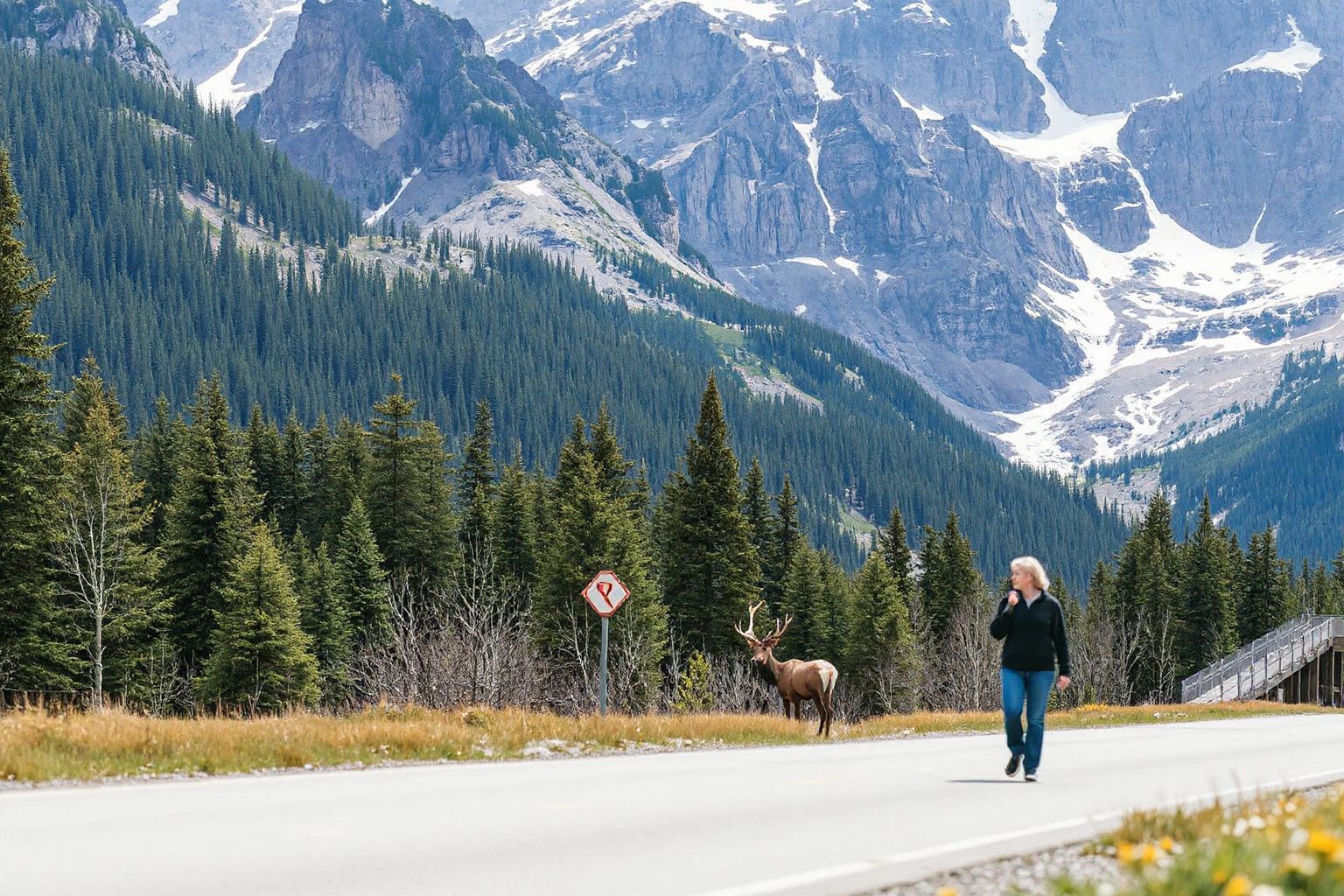
The decision comes down to what you most want to see.
- Birds and emerging bears: go in late spring, accept variable weather, book early.
- The elk rut and bears fattening for winter: go in September, ideally the first three weeks before mountain weather turns seriously cold.
- Bison and wolves in a quiet landscape: winter works, especially at Elk Island or Wood Buffalo, but verify what’s open.
- Maximum access and infrastructure with decent wildlife: July and August deliver that, at the cost of crowds and the most dispersed animal behaviour of the year.
Parks Canada manages these places to protect their ecological integrity while making them accessible, which means the animals are genuinely there — the question is only whether you’ve timed your arrival to catch them in the open.
FAQ
Are there specific parks better for certain wildlife sightings? Yes, significantly. Elk Island is one of the most reliable places in Canada to see plains bison and wood bison in close proximity. Banff and Jasper are the classic parks for bears, elk, wolves, and mountain goats. Point Pelee is unmatched for spring songbird migration in eastern Canada. Wood Buffalo is a place for bison herds, but it is remote.
What gear or preparation should I consider for a wildlife-focused trip? Binoculars make a significant difference — animals that look like brown blobs at distance become identifiable and watchable with even a modest pair. Layered clothing handles the temperature swings common in shoulder seasons. Parks Canada recommends verifying available services before you go, so check whether the specific trailheads and facilities you’re planning around are actually open on your dates.
How can I increase my chances of ethical wildlife viewing? Keep distance — Parks Canada’s safety guidelines exist to protect both you and the animals. Never approach, feed, or attempt to attract wildlife. Give animals space to move away from you without feeling cornered. If an animal changes its behaviour because of your presence, you’re too close. These aren’t just ethical principles; a habituated animal often has to be destroyed, which is a real outcome of well-meaning but too-close encounters.
What are the best times of day to look for animals? Dawn and dusk are consistently the most productive windows. Large mammals feed and move most actively in low light, and predators follow prey on the same schedule.
Are guided tours worth it for wildlife viewing? For first-time visitors to a large park, a guided tour concentrates local knowledge that takes years to build independently — a good guide knows which valleys are active this week, not just in general. Forillon National Park, for example, offers whale watching tours as part of its activity programme. For birds at Point Pelee during migration, a knowledgeable local guide can enhance the experience.
The clearest rule is this: match the animal to the season, not the season to your convenience. Late spring and autumn give you the highest biological activity and the thinnest crowds — the combination that produces the stories people actually tell when they get home. Book reservations early, start before dawn, and build in enough days that one slow morning doesn’t define the trip.